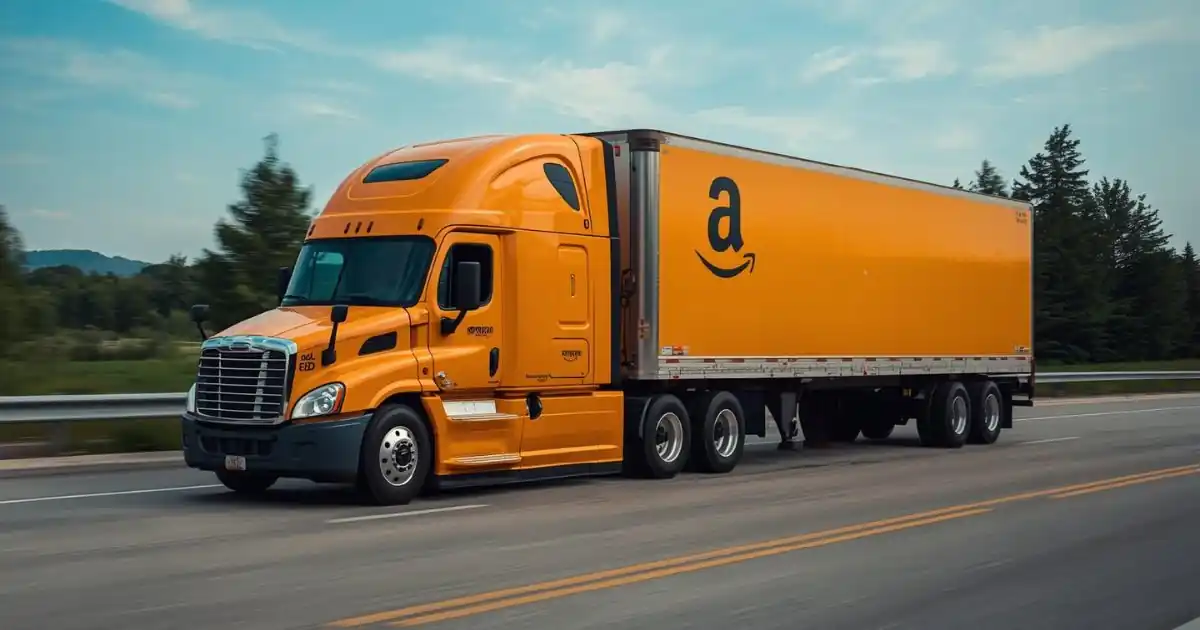
Carriers seek reliable freight opportunities. Amazon Relay logistics network offers them. Truckers access loads through a dedicated system. This platform connects carriers directly. It eliminates intermediaries. Users book spot loads easily. Contracts provide steady work. The system launched in late 2017. It targets trucking companies nationwide. Drivers use mobile apps for navigation. Safety features protect operations. Earnings vary by load type. Requirements ensure compliance. Benefits include quick payments. Challenges involve competition. Tips boost success rates. Comparisons highlight unique advantages.
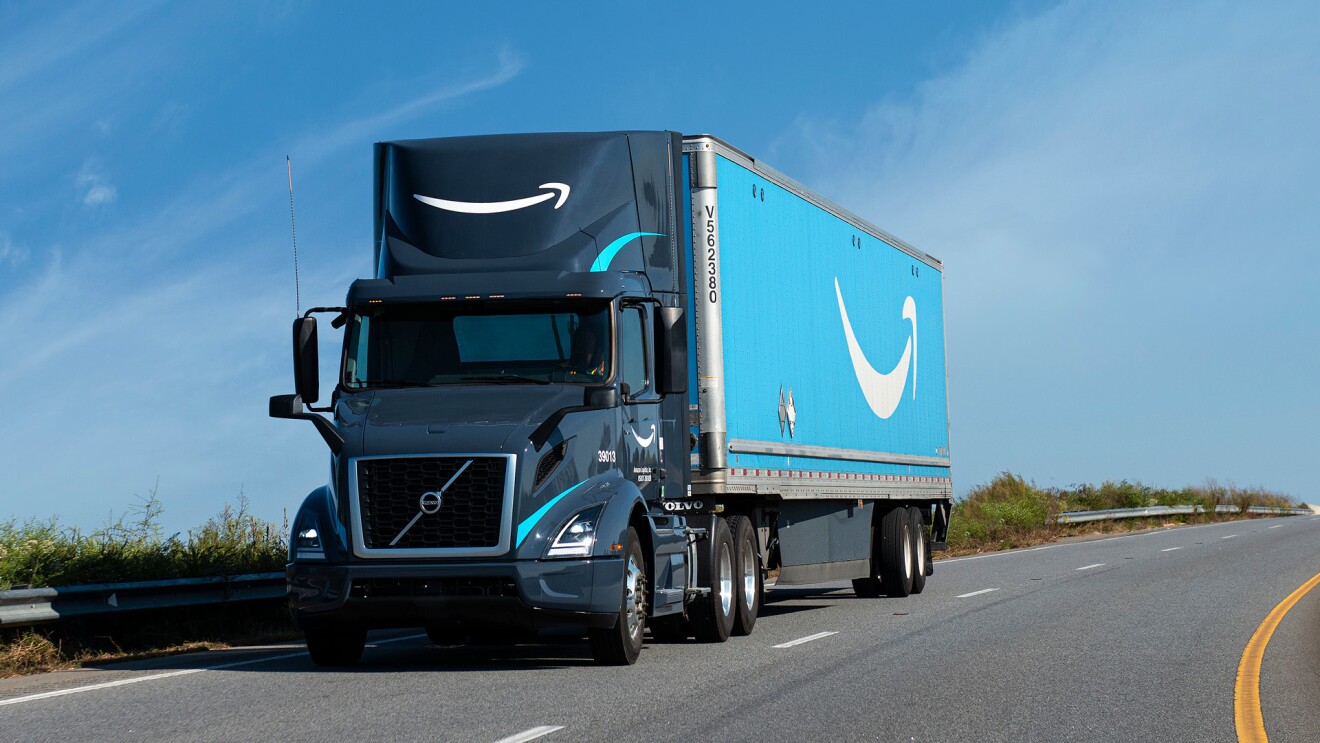
What Is Amazon’s Freight Platform?
Amazon Relay serves trucking carriers. It provides a load board for freight. Carriers find power-only loads. The system tenders contracts directly. Users search loads by location. It supports box trucks and dry vans. Reefers handle temperature-controlled cargo. Intermodal options include containers. The platform integrates technology seamlessly. Mobile apps manage trips efficiently. Drivers receive real-time alerts. Facilities span every state. Peak seasons offer more opportunities. Amazon ensures fraud prevention. Carriers report suspicious activities.
The platform evolved from Amazon’s internal needs. It expanded to external carriers. Direct tendering avoids brokers. This reduces fees significantly. Carriers set their rates. Auctions allow bidding on lanes. Contracts secure round-trip schedules. Rewards program offers discounts. Fuel and tire savings accumulate. Performance metrics influence load access. High scores unlock better opportunities. The system prioritizes safety compliance. It monitors DOT numbers closely.
History and Development of the Platform
Amazon launched the Relay app in October 2017. It aimed at truck drivers initially. The app sped up warehouse access. Drivers entered cargo details quickly. Android and iOS versions rolled out. Amazon tested it quietly. Feedback shaped improvements. By 2018, load board features emerged. Contracts followed soon after. The platform grew with Amazon’s network. Warehouses multiplied across regions. Technology integrations advanced. Navigation accounted for truck restrictions. Electronic check-ins streamlined processes.
Expansion continued into 2020s. Mobile app updates added notifications. Driver assignments became simpler. Security measures strengthened. Fraud detection tools implemented. Canadian version launched separately. Blog posts shared carrier tips. Events like RelayCon gathered feedback. In 2025, over 130 carriers participated. Insights drove future enhancements. Amazon focused on durability. Tech investments prioritized long-term growth. The platform adapted to market changes. It emphasized consistent revenue streams.
How the Platform Works
Carriers apply through the portal. They submit company details. Insurance verification follows. Approval takes 1-3 weeks. Training completes onboarding. Users access the load board. They search by date and location. Instant booking secures spot loads. Truck posting enables auto-matching. Auctions facilitate lane bidding. Transparency shows bid details. Contracts offer scheduled routes. Short-term options provide flexibility.
Drivers create profiles post-invitation. They submit licenses and selfies. Background checks ensure standards. App assigns trips directly. Commercial navigation guides routes. It avoids low bridges. Weight limits factor in. Check-ins happen electronically. In-yard instructions appear digitally. Alerts notify load changes. Payments process weekly. Cycles run Sunday to Saturday. Funds arrive next Friday. All-in pricing simplifies earnings.
Signing Up for Amazon Relay
Applicants need active DOT numbers. Interstate authority requires 180 days. Valid MC numbers mandatory. Entity type must authorize property. For-hire status essential. FMCSA safety rating allows satisfactory or none. BASIC scores limit unsafe driving to 60%. HOS compliance caps at 60%. Vehicle maintenance stays under 75%. Controlled substances score below 75%. Driver fitness under 75%. Violation rates cap driver at 35%. Vehicle at 50%.
Insurance covers commercial liability. $1M per occurrence needed. $2M aggregate required. Auto liability $1M per occurrence. Trailer replacement $50K. Cargo minimum $100K. Workers’ compensation in jurisdictions. Employer liability $100K per occurrence. Equipment includes day cabs. Sleeper cabs accepted. Box trucks need lift-gates. Trailers span 48-53 feet. Reefers and containers supported. UIIA compliance for intermodal.
Booking Loads and Managing Operations
Users log into the portal. They filter loads by type. Power-only dominates offerings. Drop-and-hook minimizes effort. Lightweight cargo eases handling. App notifies available matches. Drivers accept assignments. Navigation starts automatically. Stops for fuel integrate. Parking locations suggest. Check-out automates facility exit. Real-time updates adjust plans. Performance tracking monitors deliveries. On-time rates affect scores. Tender acceptance influences access.
Contracts secure consistent routes. Round-trips reduce empty miles. Auctions target backhauls. Bids remain transparent. Winners receive confirmations. Equipment marketplace rents trailers. Unused assets generate revenue. Rewards unlock early access. Discounts apply to partners. Fuel savings reach significant amounts. Tire deals lower costs. Maintenance perks extend budgets.
Requirements to Join Amazon Relay
Carriers maintain safety compliance. DOT enforces standards rigorously. Insurance policies update regularly. Service expectations demand punctuality. Technology use mandatory. App adoption ensures efficiency. Drivers pass background checks. Licenses verify validity. Selfies confirm identity. Entity verification prevents fraud.
Equipment meets specifications. Tractors handle various loads. Box trucks require 16-26 feet. Lift-gates enable deliveries. Dry vans span standard sizes. Reefers control temperatures. Containers need chassis compatibility. UIIA agreements facilitate ports. Performance scores review quarterly. Low ratings risk suspension.
Benefits of Using Amazon Relay
Carriers gain direct access. Brokers vanish from equations. Fees drop accordingly. Quick payments boost cash flow. Weekly cycles provide predictability. Flexible scheduling accommodates lifestyles. Local loads allow home time. Over-the-road options suit long hauls. Mobile app simplifies management. Notifications keep users informed. Navigation prevents violations.
Rewards program adds value. Discounts offset expenses. Fuel cards save money. Tire purchases reduce costs. Performance-based access favors reliables. Bias-free allocation ensures fairness. Growth opportunities expand fleets. Contracts stabilize income. Auctions secure profitable lanes. Security measures protect assets.
Testimonials praise efficiency. Carriers note quick routes. Deadhead miles minimize. Schedules control personally. Auctions appear fair. App accessibility impresses. Driver tasks simplify. Consistent revenue builds businesses. Peak seasons multiply loads. Facilities cover nationwide.
Potential Earnings with Amazon Relay
Drivers earn $15-25 per hour. Annual salaries average $62,963. Owner-operators see variable rates. Miles pay $1.39-2.70. Contracts offer steady income. Spot loads fluctuate daily. Auctions influence payouts. Box trucks generate revenue streams. Multiple legs increase totals. Weekly payments ensure liquidity.
Factors affect earnings. Load types vary compensation. Distances impact mileage rates. Peak times boost availability. Performance unlocks premium opportunities. Fuel efficiency maximizes profits. Maintenance controls costs. Rewards discounts enhance margins. Inconsistent loads challenge planning. Weird hours yield better rates. Local runs suit family life.
Challenges and Drawbacks
Inconsistency plagues spot market. Loads vanish quickly. Competition intensifies during lulls. Safety concerns arise frequently. Foreign drivers dominate some fleets. Crashes involve unqualified operators. Amazon shields liability through contractors. Inspections reveal high out-of-service rates. Suspensions force MC purchases.
Hours of service confuse newcomers. Weird shifts demand flexibility. App reliance requires tech savvy. Background checks delay onboarding. Insurance costs burden small operators. Performance metrics pressure consistency. Fraud attempts target accounts. Facilities enforce strict protocols. Disruptions affect holiday deliveries.
Tips for Success on the Platform
Maintain high safety scores. Update insurance promptly. Use app notifications actively. Bid strategically in auctions. Accept tenders consistently. Train drivers thoroughly. Monitor performance metrics. Leverage rewards discounts. Plan routes efficiently. Avoid deadhead miles. Network at events like RelayCon. Provide feedback for improvements. Diversify load types. Secure contracts early. Adapt to peak demands.
Build reliable teams. Verify driver qualifications. Invest in compliant equipment. Track expenses meticulously. Negotiate rates confidently. Use navigation tools wisely. Report issues immediately. Stay informed via blogs. Join carrier communities. Aim for home-time balance.

Comparisons with Other Load Boards
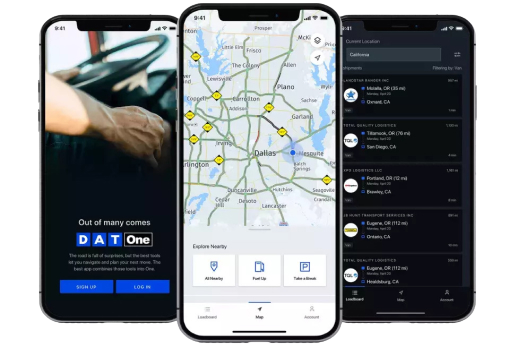
Amazon Relay differs from DAT. It offers direct Amazon loads. DAT includes broker postings. Relay avoids fees entirely. DAT charges subscriptions. Relay focuses on contracts. DAT emphasizes spot market variety. Relay integrates app deeply. DAT provides broader searches. Relay ensures consistent shipper. DAT allows troll loads.
Truckstop rivals in features. It offers real-time updates. Relay prioritizes Amazon network. Truckstop covers multiple shippers. Relay bans double brokering. Truckstop permits it. Relay rewards loyalty. Truckstop focuses on volume. 123Loadboard competes on mobile. Relay adds navigation specifics. Trucker Path expands visibility. Relay limits to power-only.
Relay suits Amazon-focused carriers. Others fit diverse needs. Relay provides stability. Competitors offer flexibility. Relay’s tech edges navigation. Others excel in search operators. Relay’s payments speed up. Brokers delay sometimes. Relay’s safety emphasis stands out. Others vary by user.
Future Trends in Freight Hauling with Amazon
Technology drives growth in 2026. AI optimizes routes efficiently. Visibility enhances last-mile delivery. Hybrid fleets replace traditional models. Sustainability pushes electric trucks. Freight rates hike double-digits. LTL expansion rolls nationwide. Inbound services debut broadly.
Amazon invests in durability. Systems support external partners. Fees increase for fulfillment. Prep partners become essential. Now Delivery targets urban areas. Agility favors smaller forwarders. Leadership panels shape visions. Capacity shrinks industry-wide. Tech improves shipping performance. Disruptions test resilience.
Frequently Asked Questions (FAQs)
What insurance does Amazon Relay require?
Carriers need $1M auto liability. Cargo coverage hits $100K minimum. Workers’ compensation applies jurisdictionally.
How do earnings compare on Amazon Relay?
Drivers make $15-25 hourly. Owner-ops see $1.39-2.70 per mile. Contracts stabilize income.
What equipment works with Amazon Relay?
Day cabs and sleepers qualify. Box trucks need lift-gates. Dry vans and reefers accepted.
How long does Amazon Relay approval take?
Process finishes in 1-3 weeks. Insurance verification causes delays.
What safety scores must carriers meet for Amazon Relay?
Unsafe driving under 60%. Vehicle maintenance below 75%. Violations cap at 35-50%.
Can drivers use Amazon Relay for home-time balance?
Local loads allow nightly returns. Flexible scheduling supports family life.
READ ALSO: Potomac Tech Wire DC’s Most Powerful Tech News Source in 2025–2026
About the Author