https://techwirepro.com/
A flat tire never happens at a convenient time. Sometimes your jack breaks, goes missing, or simply won’t fit. Knowing how to change a tire without a jack can save your trip. This guide walks you through practical methods that work in real emergencies. You don’t need fancy tools to handle this problem. Everyday items like ramps, blocks, or even a sturdy log can help. Let’s explore how to change a tire without a jack using techniques anyone can follow.
Why You Might Need This Skill
Jacks fail more often than people expect. They rust, bend, or get left behind after a previous repair. Some drivers never carry one at all. Learning how to change a tire without a jack prepares you for these situations. Rural roads often lack cell service or nearby help. Waiting for roadside assistance can take hours. A flat tire in bad weather adds extra stress. Having a backup plan keeps you moving safely. This skill also builds confidence behind the wheel. You stop relying entirely on tools that can fail. You gain independence during unexpected roadside emergencies. Every driver benefits from this practical knowledge.
Safety First: Before You Begin
Pull your car onto a flat, stable surface. Avoid soft ground like mud, sand, or gravel. Turn on your hazard lights immediately. This warns other drivers of your situation. Engage your parking brake firmly before starting. Place wheel wedges or heavy rocks behind the tires. This prevents the car from rolling unexpectedly. Stability matters more than speed during this process. Keep children and pets away from the vehicle. Stand on the side away from traffic. Wear a reflective vest if you have one. Visibility protects you from passing cars.
Method 1: Using a Ramp or Incline
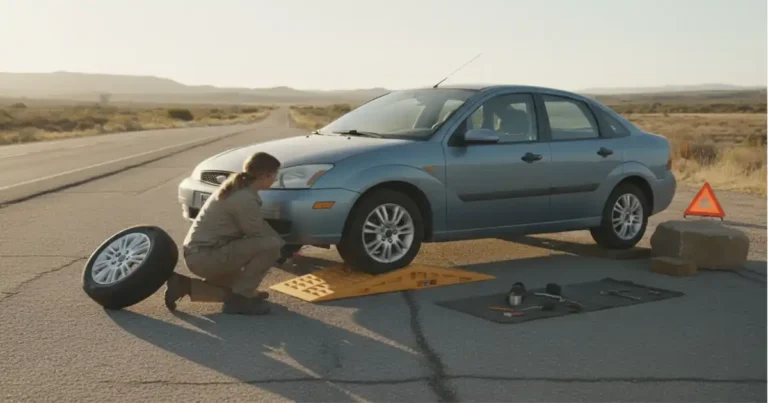
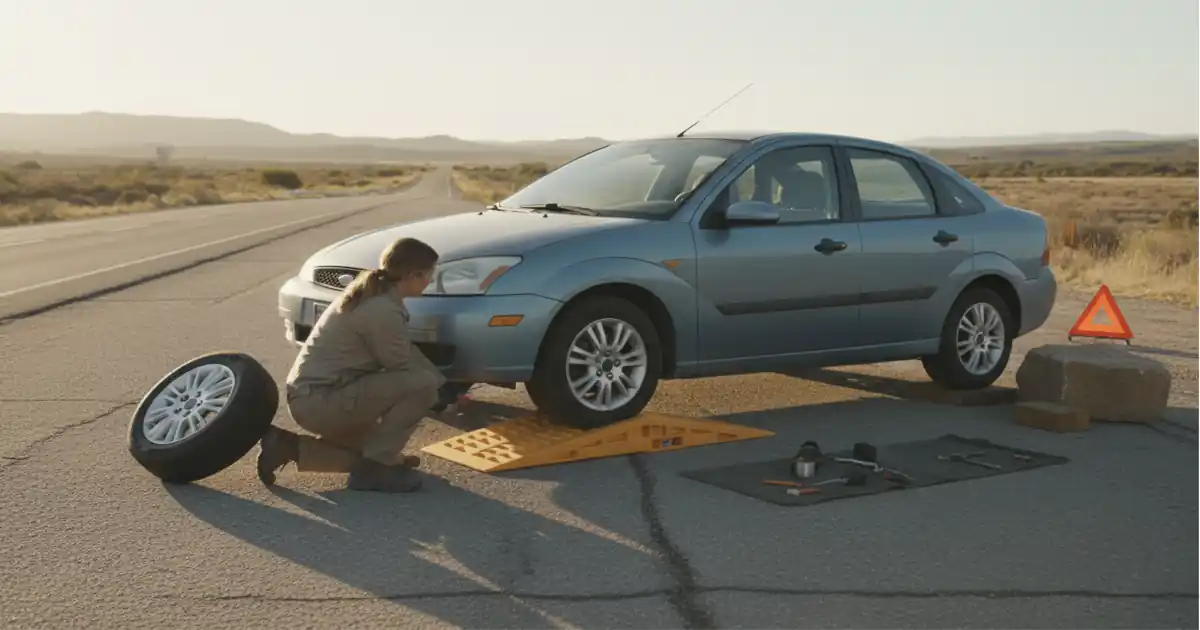
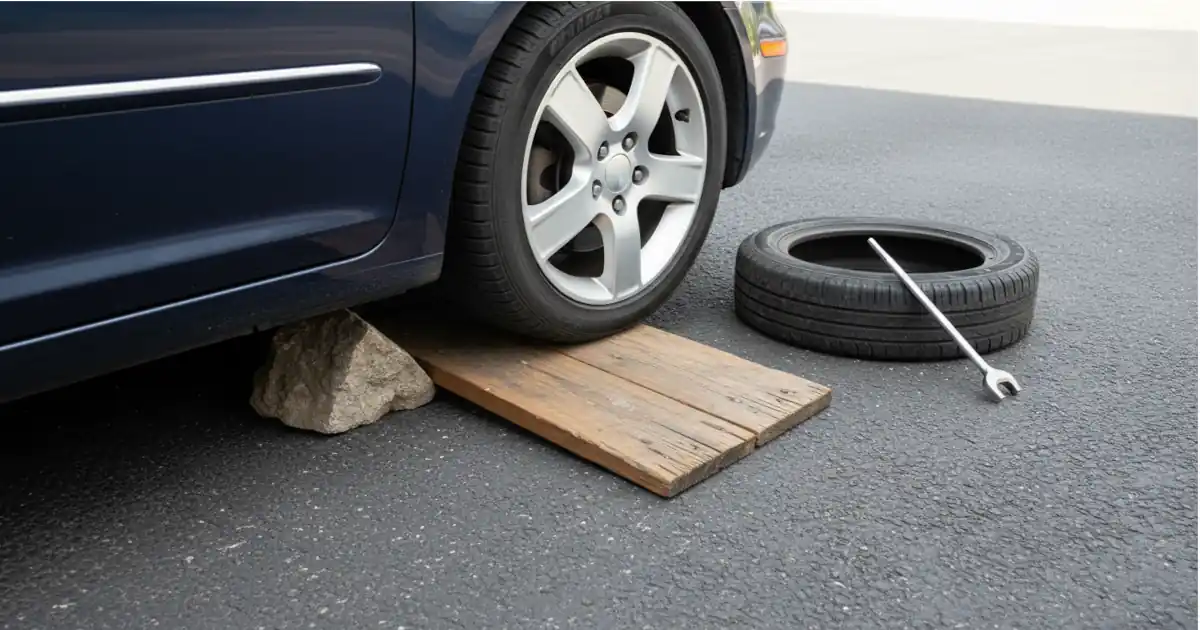
This method uses gravity to lift the flat tire. Find a small ramp, curb, or sturdy platform. Drive the good tire onto the raised surface slowly. This lifts the flat tire off the ground naturally. Stack wooden planks or bricks to build your ramp. Make sure the structure feels solid underfoot. Test its stability before driving onto it. A wobbly ramp creates dangerous conditions quickly. Once the flat tire lifts, loosen the lug nuts. Remove them fully and pull off the wheel. Slide the spare tire into place carefully. Tighten the lug nuts as much as possible by hand. Drive the car forward off the ramp gently. This lowers the new tire back down. Finish tightening the lug nuts on solid ground. Check each nut twice for proper tightness.
Method 2: Using a Sturdy Log or Block
This technique suits situations without a ramp available. Find a thick log, tree stump, or concrete block. Position it near the flat tire’s location. The goal is creating enough height to work. Drive the vehicle so the flat tire rests against the block. The wheel should climb slightly onto the surface. This creates just enough clearance underneath. It won’t lift the tire completely off the ground.
Loosen the lug nuts before attempting any lifting. This step still applies even without full elevation. Use your body weight to help remove the wheel. A pry bar can assist with stubborn nuts. Swap the flat tire for the spare quickly. Work carefully since space remains limited here. Tighten the lug nuts snugly by hand first. Reverse off the block once finished completely.
Method 3: The Shovel Technique
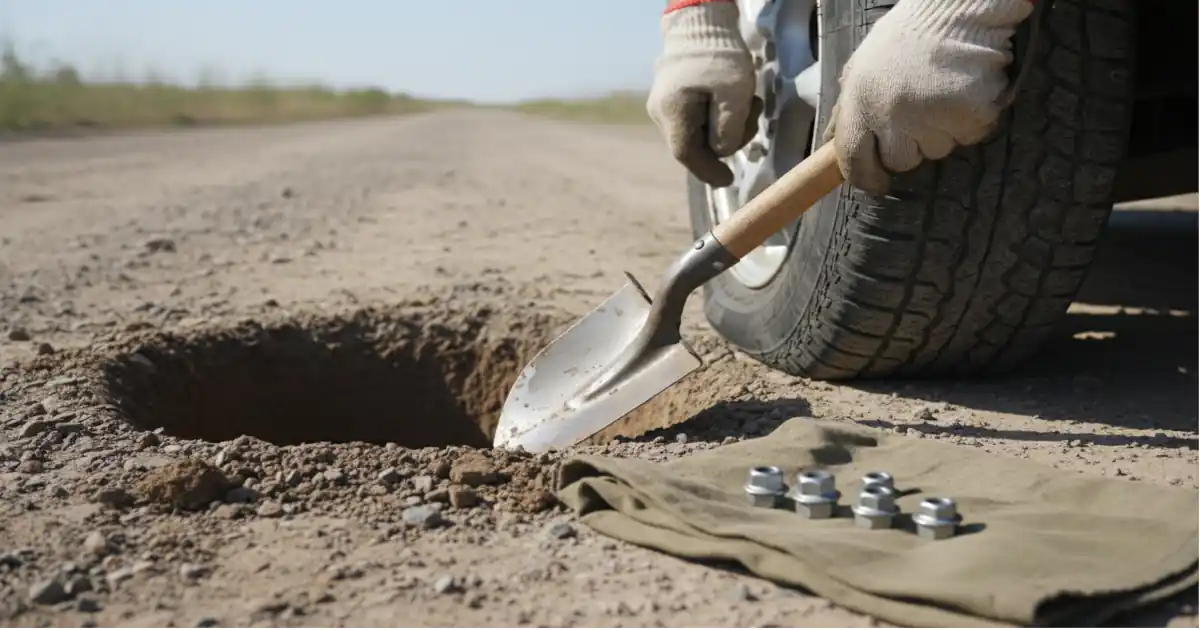
This method works well in soft or uneven terrain. Dig a hole beneath the flat tire directly. Make the hole deep enough for wheel removal. This effectively lowers the ground instead of raising the car. Use a shovel, tire iron, or sturdy stick. Dig steadily until you create enough depth. The flat tire should hang freely in the hole. This mimics the lift a jack normally provides.
Remove the lug nuts and pull off the wheel. Lower it carefully into the dug-out space. Install the spare tire into the same position. Tighten everything before filling the hole back in. This method takes more physical effort than others. It works best when ramps or blocks aren’t available. Rural or off-road situations often call for this trick. Patience makes this process go smoothly.
Method 4: Using a Scissor Jack Alternative
Some drivers carry bottle jacks or hydraulic alternatives instead. These small tools often get overlooked in emergencies. Check your trunk thoroughly before assuming nothing exists. A hidden tool can save significant time. If you truly have nothing, ask nearby drivers for help. Many vehicles carry small hydraulic jacks as backups. Roadside assistance services also carry proper equipment. Don’t hesitate to flag down passing traffic safely. Community resources matter during roadside emergencies. Gas stations sometimes lend tools to stranded drivers. Local mechanics may offer quick assistance nearby. Never assume you’re completely without options.
Tools That Make This Process Easier
Certain items increase your success rate significantly. A tire iron helps loosen stubborn lug nuts. Work gloves protect your hands from sharp edges. Keep these items in your trunk always. A flashlight helps during nighttime tire changes. Visibility becomes critical after sunset quickly. Reflective triangles warn approaching traffic effectively. These small additions improve overall safety. Carry a portable air compressor if possible. This helps inflate tires temporarily when needed. A tire plug kit handles minor punctures quickly. These tools complement any jack-free method.
Common Mistakes to Avoid
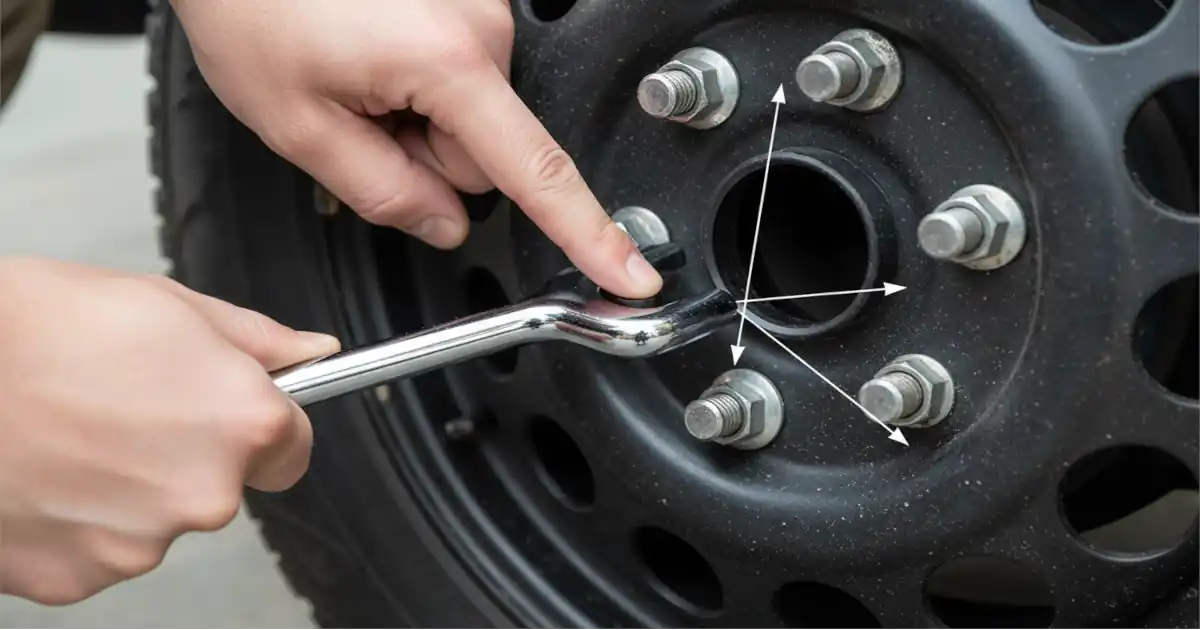
Rushing through the process causes serious mistakes. Take your time with each step carefully. Skipping the parking brake creates rolling hazards. Always double-check your vehicle’s stability first. Ignoring wheel wedges leads to dangerous situations. Cars can shift unexpectedly without proper support. Never work directly under an unsupported vehicle. Your safety matters more than saving time. Overtightening lug nuts damages wheel studs eventually. Tighten firmly, but don’t force excessive pressure. Uneven tightening causes wobbling while driving later. Follow a star pattern for even pressure.
When to Call Professional Help
Some situations require expert intervention immediately. Busy highways make roadside repairs extremely dangerous. Call a tow truck if traffic feels unsafe. Your safety outweighs the urgency of driving again. Severe weather also complicates tire changes significantly. Heavy rain, snow, or ice increases risk levels. Professional assistance becomes the smarter choice here. Don’t attempt risky repairs in bad conditions. Multiple flat tires suggest a bigger mechanical issue. This situation needs professional diagnosis promptly. Continuing to drive could cause further damage. Trust your judgment during uncertain circumstances.
Preventing Future Flat Tire Emergencies
Regular tire maintenance reduces flat tire risks. Check tire pressure monthly for consistency. Inspect tread depth for early wear signs. Small habits prevent bigger roadside problems later. Rotate your tires every few months consistently. This promotes even wear across all four. Replace tires showing significant damage promptly. Waiting too long increases blowout risks substantially. Keep your spare tire properly inflated always. A flat spare defeats its entire purpose. Store essential tools in an accessible location. Preparation prevents panic during real emergencies.
Final Thoughts
Knowing how to change a tire without a jack builds real confidence. It prepares you for unpredictable roadside situations. These methods use simple tools and creative thinking. Anyone can master this skill with practice. Whether you use a ramp, block, or shovel, safety comes first. Take your time and stay calm throughout. Practice these techniques before an emergency happens. This knowledge could save you time, stress, and money. Understanding how to change a tire without a jack means never feeling stranded. It transforms a stressful situation into a manageable task. Keep these methods in mind for your next road trip. Preparation always outperforms panic on the road.
Read more knowledgeable blogs on: techwirepro.com
About the Author