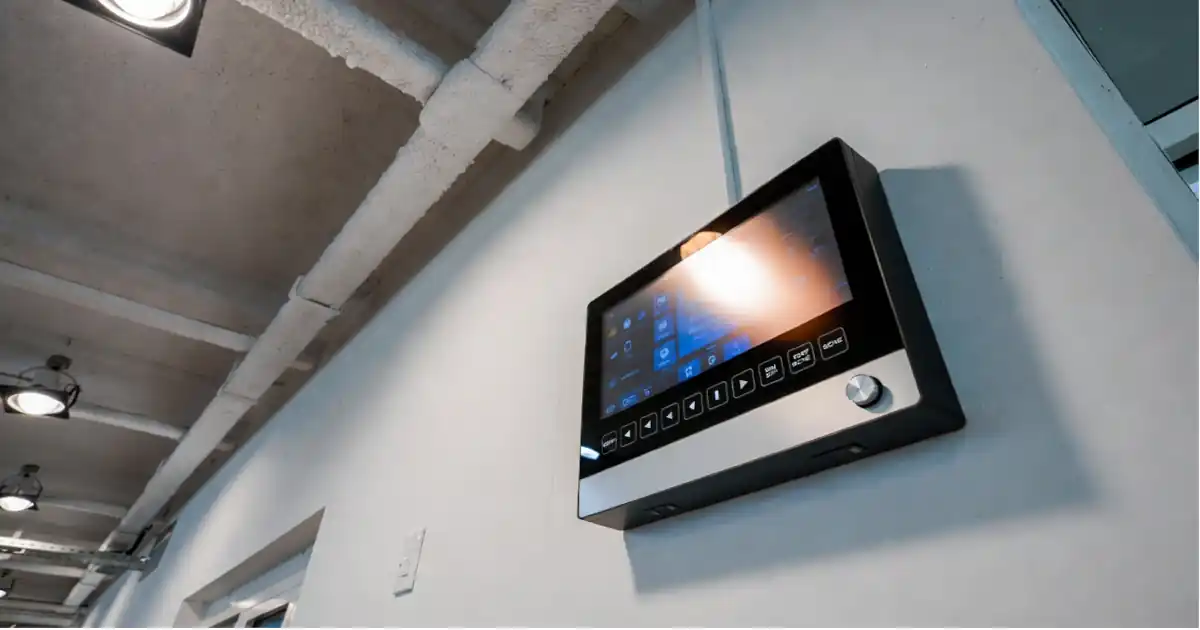
https://techwirepro.com/
In an era where energy efficiency is paramount for commercial buildings, innovative solutions like those from YWire Technologies once promised to transform how we manage lighting. Founded in Montreal, this startup leveraged broadband over power lines (BPL) to deliver networked lighting controls without the hassle of new wiring. Although the company is no longer operational, its technology addressed key pain points in building automation, including high installation costs and energy waste. This article dives deep into YWire’s story, technology, products, and lasting impact, providing the ultimate resource for understanding this niche in smart building tech.
Understanding YWire Technologies: Company Overview
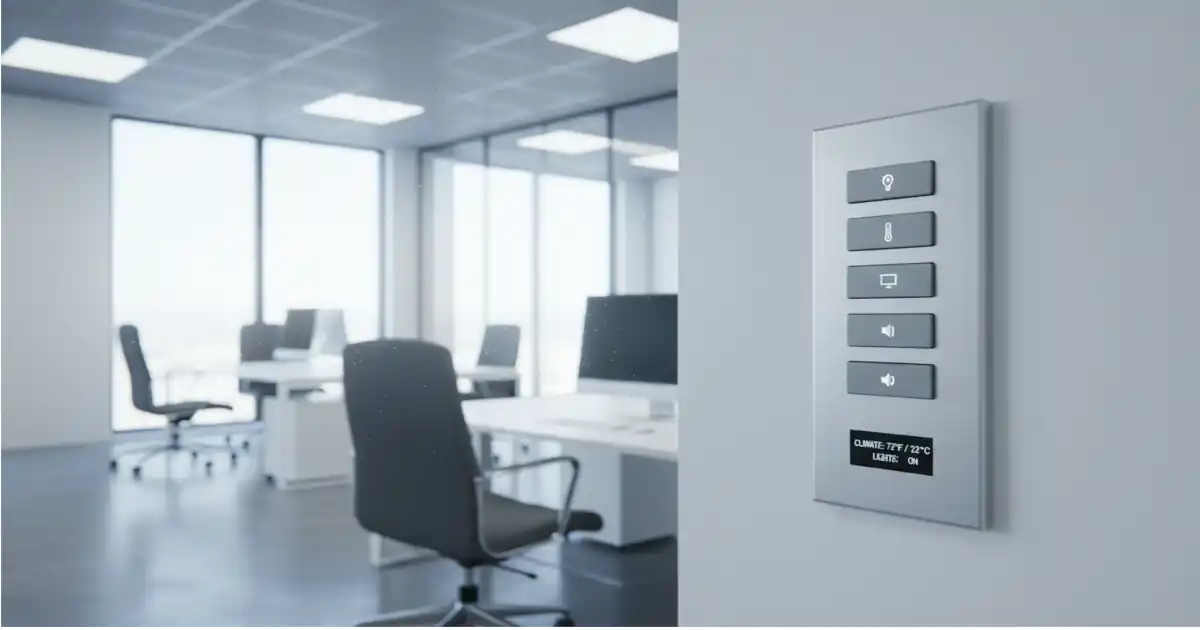
YWire Technologies was a Montreal-based innovator in the building products and electrical equipment sector, specializing in lighting control devices for commercial spaces. Established to tackle inefficiencies in traditional lighting systems, the company focused on retrofit solutions that minimized disruption and maximized savings.
Founding and Early History
YWire Technologies was founded in 2009 in Montreal, Quebec, Canada, with its headquarters at 6750 L’Esplanade, Suite 335. The founders aimed to capitalize on emerging powerline communication technologies to create affordable, scalable lighting controls. By embedding BPL into everyday light switches and fixtures, YWire targeted the commercial retrofit market—spaces like offices, warehouses, and retail buildings where rewiring for smart systems was prohibitively expensive.
The company’s mission was clear: reduce lighting energy consumption, which accounts for up to 40% of a commercial building’s electricity use, according to energy benchmarks from the U.S. Department of Energy. YWire’s approach emphasized low-cost installation, claiming reductions of over 80% compared to wired alternatives like those from Lutron or Leviton.
Market Position and Target Audience
YWire positioned itself as a disruptor in the smart building ecosystem, competing with established players in building automation systems (BAS). Its core audience included facility managers, electrical contractors, and energy service companies (ESCOs) seeking plug-and-play energy management solutions. Unlike wireless systems prone to interference or battery issues, YWire’s BPL tech used existing power infrastructure for reliable, high-speed data transmission.
The Core Technology: Broadband Over Power Lines (BPL) in Lighting Controls
At the heart of YWire’s innovation was BPL, a form of powerline communication (PLC) that transmits data over electrical wiring. This eliminated the need for dedicated network cables, making it ideal for retrofits.
What is Broadband Over Power Lines?
BPL, also known as powerline telecommunication (PLT), operates at higher frequencies than standard PLC, enabling data speeds up to several Mbps over medium- and low-voltage lines. As defined by IEEE standards, BPL allows voice, data, and internet over power grids. YWire adapted this for lighting, turning power wires into a communication backbone for controls.
Key advantages:
- No New Wiring: Installs in existing switch boxes, reducing labor costs.
- Reliability: Less susceptible to wireless interference in dense buildings.
- Scalability: Supports IP-based protocols like TCP/IP for integration with building management systems (BMS).
However, BPL faces challenges like signal attenuation over long distances and potential electromagnetic interference, which YWire mitigated through proprietary modems and routers.
Integration with Smart Building Concepts
YWire’s systems are aligned with smart grid initiatives, allowing real-time energy monitoring and demand response. For instance, lights could dim during peak hours based on utility signals, supporting sustainability goals like LEED certification. The technology also incorporated IoT elements, such as sensors for occupancy and ambient light, fostering energy-efficient buildings.
YWire’s Product Lineup: Features and Applications
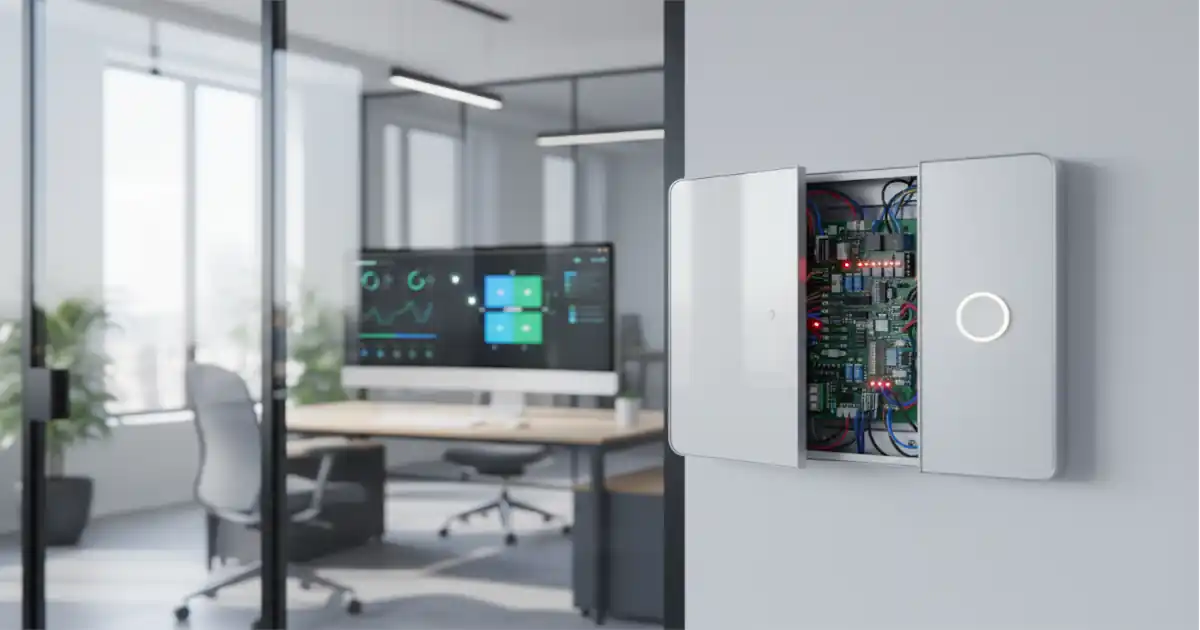
YWire designed a suite of devices embedding BPL for seamless control. Though the company website is defunct, archived details and patents reveal a focus on addressable controllers and sensors.
Key Products
- Addressable Light Controllers (e.g., FSY-1G Series): These replaced standard wall switches, featuring relays for on/off control, processors for logic, and BPL modems for networking. Supported voltages from 110V to 347V, ideal for North American commercial setups.
- Fixture-Mount Controllers: For dimmable ballasts, using 0-10V or 4-20mA signals to adjust light levels. Enabled daylight harvesting—automatically dimming based on natural light.
- Sensors and Accessories:
- Occupancy Sensors (PIR-Based): Detected motion to trigger lights, with adjustable time delays (e.g., 5-30 minutes) to prevent false-offs.
- Light Level Sensors: Measured ambient lux and compared to user setpoints for auto-adjustments.
- Remote Switches: For multi-way configurations, mimicking traditional 3-way switches but with network capabilities.
Features for Energy Efficiency
- Modes of Operation:
- Manual On/Auto Off: User turns on, system auto-offs after vacancy.
- Auto On/Off: Fully sensor-driven for unoccupied spaces.
- Daylight Mode: Maintains consistent illumination by blending artificial and natural light.
- Embedded Web Server: Each device hosted a web page for configuration, monitoring energy usage, and diagnostics via browsers.
- Manual Override: A physical button ensured usability during network issues.
Real-world applications included office retrofits where YWire claimed 30-50% energy savings through scheduling and zoning.
Installation and Compatibility
Installation mirrored standard electrical work, connected line, load, and neutral wires. Compatible with fluorescent, LED, and HID fixtures without ballast replacements. Systems scaled via Ethernet-to-powerline routers, supporting up to hundreds of nodes per building.
Funding Journey and Business Growth
YWire’s trajectory reflected the volatile Montreal tech startup scene.
Funding Rounds
- Seed Round (2009): $28.5K to kickstart R&D.
- Seed Round (2011): $1.25M for product development.
- Accelerator/Incubator (2012): Non-dilutive support, likely from programs like C100 or local Quebec incubators.
- Early Stage VC (2013): Focused on market entry.
- Later Stage VC (2015): Aimed at scaling sales.
Total raised: $4.01M. Investors remain undisclosed in public records, but typical for cleantech included funds like Cycle Capital.
Growth Milestones
By 2014, YWire launched a revamped website and promotional videos highlighting IoT integration. Partnerships with reps like SDA Lighting and Activelogix expanded reach in North America. Patent filings began in 2010, underscoring innovation.
Challenges, Liquidation, and Lessons Learned
Despite the promise, YWire entered liquidation in January 2016, ceasing operations.
Key Challenges
- Market Adoption: BPL faced competition from maturing wireless tech like Zigbee and Wi-Fi, which offered easier integration.
- Technical Hurdles: Signal reliability in noisy electrical environments required custom engineering, increasing costs.
- Economic Factors: The 2015 oil price crash impacted commercial real estate, reducing retrofit budgets.
- Regulatory Issues: FCC rules on BPL interference with radio frequencies added compliance burdens.
Employee count peaked at 11, indicating a lean operation unable to scale amid funding droughts.
Why It Failed and Industry Insights
Analysts point to timing: YWire entered as BPL hype waned, with alternatives like EnOcean gaining traction. Lessons include the need for hybrid tech (e.g., BPL + wireless) and stronger go-to-market strategies. Today, similar failures highlight cleantech’s high risks, with 50% of energy startups folding within 5 years.
Legacy: Patents and Influence on Modern Tech
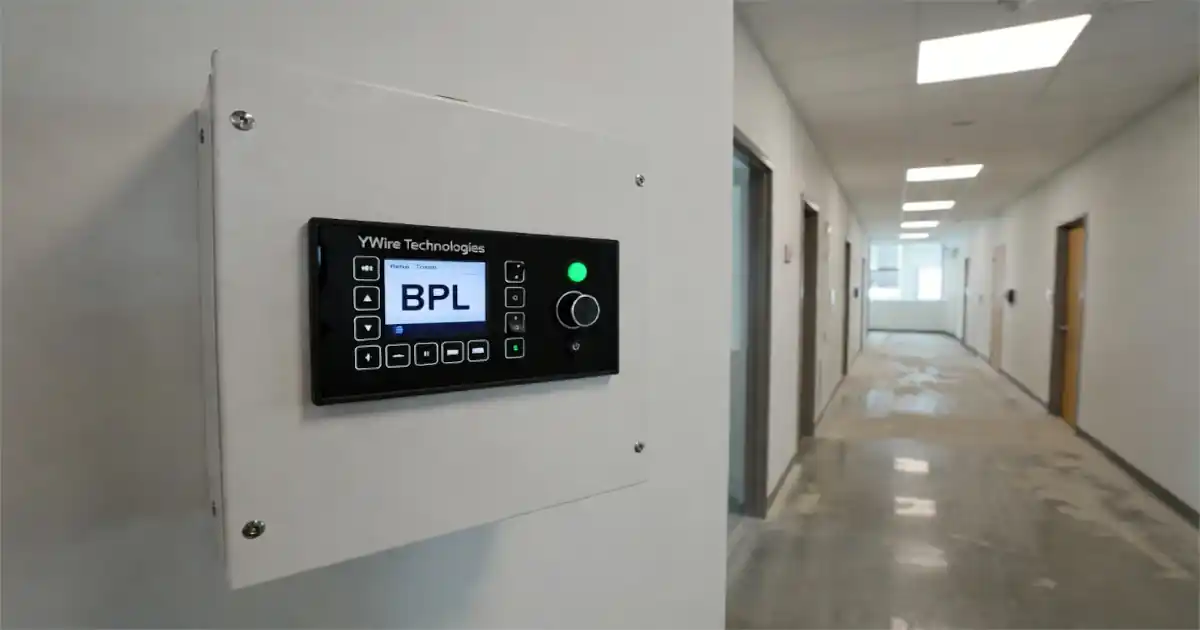
YWire’s intellectual property endures, particularly US Patent 9544975B2: “Lighting Control Switch Apparatus and System.”
Patent Details
- Inventors: Rod M. Giltaca, Omar Tabba, R. Kyle Smith, Pablo Cassani.
- Filed: February 4, 2010; Granted: January 10, 2017.
- Key Innovations: Addressable controllers with BPL, sensors, and web interfaces for automated lighting. Claims cover methods for motion/light-based control and dimming.
This patent influenced subsequent developments in networked controls, cited in over 10 later filings..
Modern Equivalents
Today’s market features evolved tech:
- Power over Ethernet (PoE) Systems: Like those from Cisco, combining power and data.
- Wireless Controls: Philips Hue or Lutron Caseta, avoiding wiring altogether.
- BPL Revivals: In niche applications, like rural broadband or industrial PLC from companies like Nessum Alliance.
YWire’s retrofit focus prefigured current trends in sustainable building upgrades, aligning with global net-zero goals.
The Future of Lighting Controls in Commercial Buildings
As IoT and AI advance, lighting evolves into adaptive systems. Expect integration with HVAC for holistic BAS, driven by regulations like California’s Title 24. YWire’s BPL approach, though niche, proved the viability of leveraging existing infrastructure for smart upgrades.
In summary, YWire Technologies exemplified bold innovation in energy-efficient lighting, hampered by market dynamics. Its story offers valuable insights for entrepreneurs in cleantech and building automation.
Frequently Asked Questions (FAQs)
What was YWire Technologies’ main product?
Addressable lighting controllers using BPL for networked control in commercial retrofits, reducing energy use without new wiring.
When was YWire Technologies founded?
In 2009, in Montreal, Canada.
Why did YWire Technologies go out of business?
Due to market competition from wireless tech, technical challenges, and economic factors leading to liquidation in 2016.
What is BPL in lighting controls?
Broadband over power lines transmits data over electrical wiring, enabling communication for smart lighting without additional cables.
Did YWire have any patents?
Yes, including US9544975B2 for lighting control systems with sensors and BPL integration.
How much funding did YWire raise?
A total of $4.01M across multiple rounds from 2009 to 2015.
Are there similar technologies today?
Yes, like PoE lighting from Cisco or wireless systems from Lutron, focusing on energy efficiency in smart buildings.
Read more knowledgeable blogs on: techwirepro.com
About the Author