https://techwirepro.com/
Whether you’re a novice novelist struggling with subplots or a seasoned author looking to refine your multi-threaded epics, this article provides actionable strategies to solve common issues and unlock your story’s full potential.
Understanding Multiple Stories in Fiction
Multiple stories refer to narratives that incorporate more than one primary thread within a single work or across a writer’s portfolio. This isn’t just about adding complexity for its own sake; it’s about enriching themes, deepening character development, and mirroring the multifaceted nature of real life.
Types of Multiple Plotlines
Writers employ various structures to handle multiple stories. Here’s a breakdown of the most common types:
- Dual or Parallel Plotlines: These run concurrently, often in the same timeline but with different characters or settings. They may intersect occasionally or build toward a unified resolution. For instance, in romance novels, one thread might follow the protagonist’s career ambitions while another explores their romantic entanglements.
- Multiple Timelines: Stories alternate between past and present (or future), where events in one era influence or echo the other. This adds layers of foreshadowing and revelation.
- Nested Stories (Story Within a Story): A frame narrative encloses inner tales, like in Shakespeare’s Hamlet with its play-within-a-play, or ancient texts such as the Panchatantra, where animal fables nest multiple levels deep.
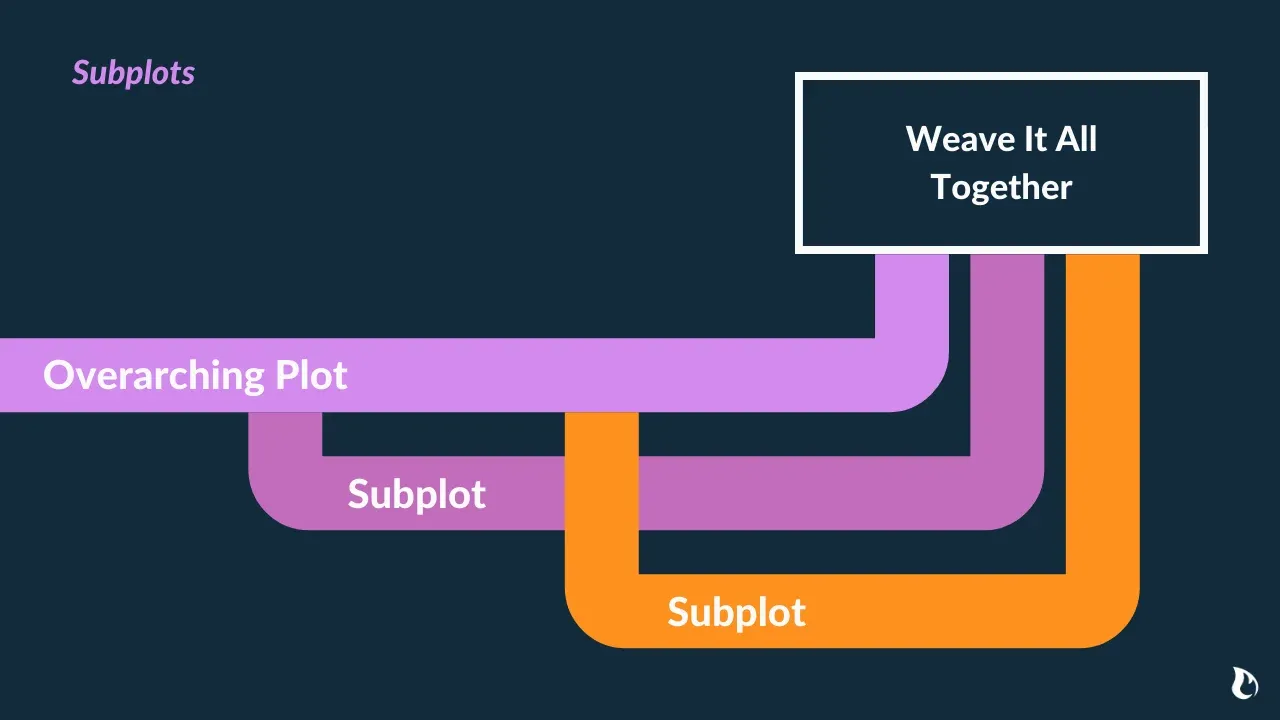
- Subplots: Secondary arcs that support the main plot, often involving side characters. They must integrate seamlessly, contributing to the overall theme or climax without overshadowing the primary story.
- Multiple Points of View (POVs): Shifting perspectives create overlapping narratives, revealing different facets of the same events. This is common in thrillers like Gone Girl, where unreliable narrators build suspense.
The Importance of Thematic Cohesion
No matter the type, all threads should resonate thematically. For example, in Chimamanda Ngozi Adichie’s concept of “the danger of a single story,” multiple narratives counteract stereotypes by presenting diverse perspectives, fostering empathy and depth. Ensure your stories comment on each other—through contrast, motifs, or shared symbols—to create a unified whole.
Pros and Cons of Writing with Multiple Stories
Incorporating multiple stories isn’t for every project, but when done right, it offers significant advantages.
Advantages
- Enhanced Depth and Engagement: Layers add richness, allowing exploration of complex themes like identity or power dynamics. Readers stay hooked as they piece together connections.
- Worldbuilding Opportunities: In genres like fantasy or sci-fi, multiple threads expand the universe, as seen in worldbuilding discussions where one world hosts various narratives.
- Increased Productivity: When writing multiple projects simultaneously, switching between them combats writer’s block and keeps creativity flowing.
- Broader Appeal: Diverse narratives attract wider audiences by offering something for everyone—action in one thread, romance in another.
Disadvantages
- Risk of Confusion: Poor integration can frustrate readers if threads feel disjointed or unevenly paced.
- Slower Progress: Juggling multiple stories divides focus, potentially delaying completion.
- Overcomplication: Not every story needs multiples; forcing them can dilute the main arc.
To weigh these, ask: Does each thread enhance the overall narrative, or could it be streamlined?
How to Outline and Structure Multiple Stories
Outlining is crucial for managing complexity. Start by mapping each thread independently, then align them.
-
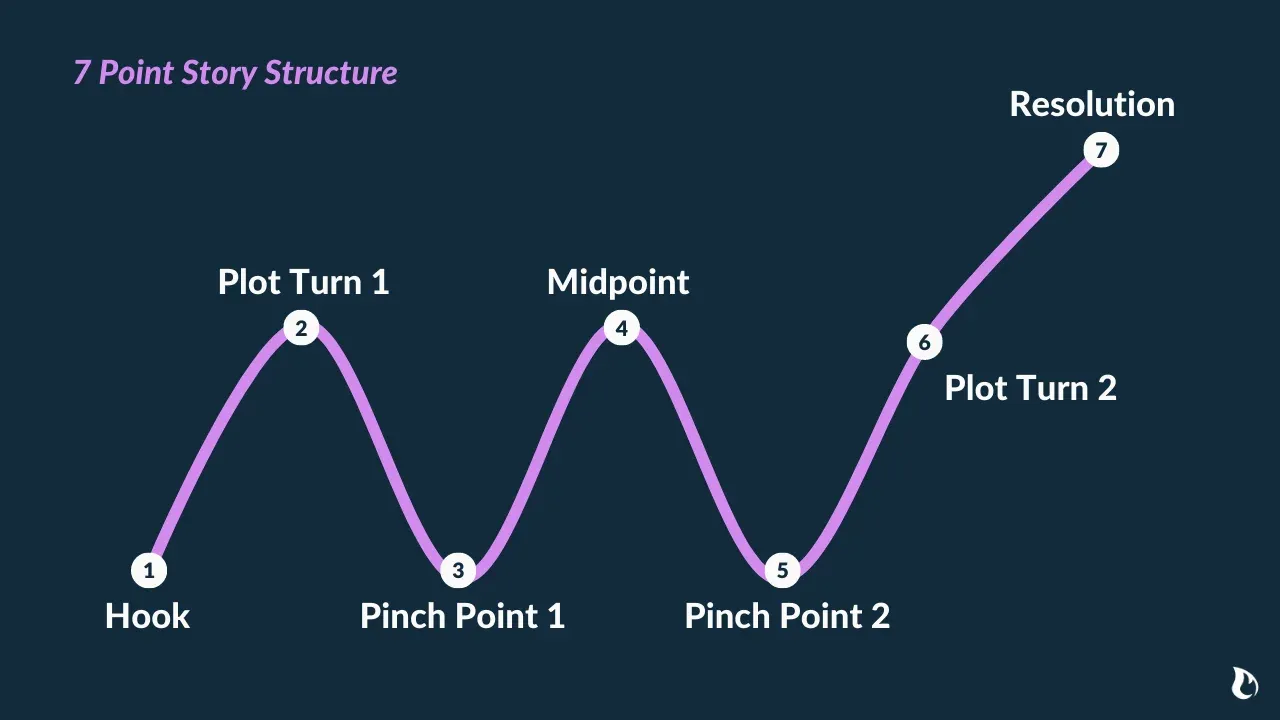
Individual Arcs: Treat each plotline as a mini-story with its own beginning, middle, and end. Use classic structures like the three-act model or seven-point system.
Here’s an example of a seven-point structure adapted for multiple threads:
- Alignment and Integration: Sync key moments—e.g., a revelation in one timeline triggers action in another. Use spreadsheets to track timelines, characters, and intersections.
- Pacing Techniques: Alternate chapters to build suspense. End sections with cliffhangers to encourage flipping forward.
- Character Development Across Threads: Ensure arcs evolve cohesively. A subplot might reveal backstory that informs the main plot’s decisions.
For subplots specifically, visualize how they weave into the overarching narrative:
Integrating Plotlines for Maximum Impact
The magic happens when threads converge. Use cause-and-effect: An event in subplot A affects main plot B. In The Great Escape, a side character’s arc aligns with major beats, contributing to the climax.
Reorient readers at switches with subtle cues like dates or distinct voices. Test cohesion by removing a thread. Does the story suffer?
Examples from Famous Books with Multiple Stories
Learning from masters accelerates your skills. Here are standout examples:
- Cloud Cuckoo Land by Anthony Doerr: Interweaves five timelines across centuries, connected by an ancient Greek story. It demonstrates how disparate lives echo universal themes of survival and knowledge.
- 2666 by Roberto Bolaño: Five loosely connected parts converge around a Mexican city and unsolved murders, blending mystery, academia, and horror.
- The Emigrants by W.G. Sebald: Four narratives of exile blend memoir and fiction, using photos for authenticity.
- All the Light We Cannot See by Anthony Doerr: Dual POVs in WWII a blind French girl and a German boy—intersect dramatically.
- Game of Thrones series by George R.R. Martin: Multiple POVs across a vast world build toward epic conflicts.
For visual inspiration, consider these collections of books known for intricate narratives:
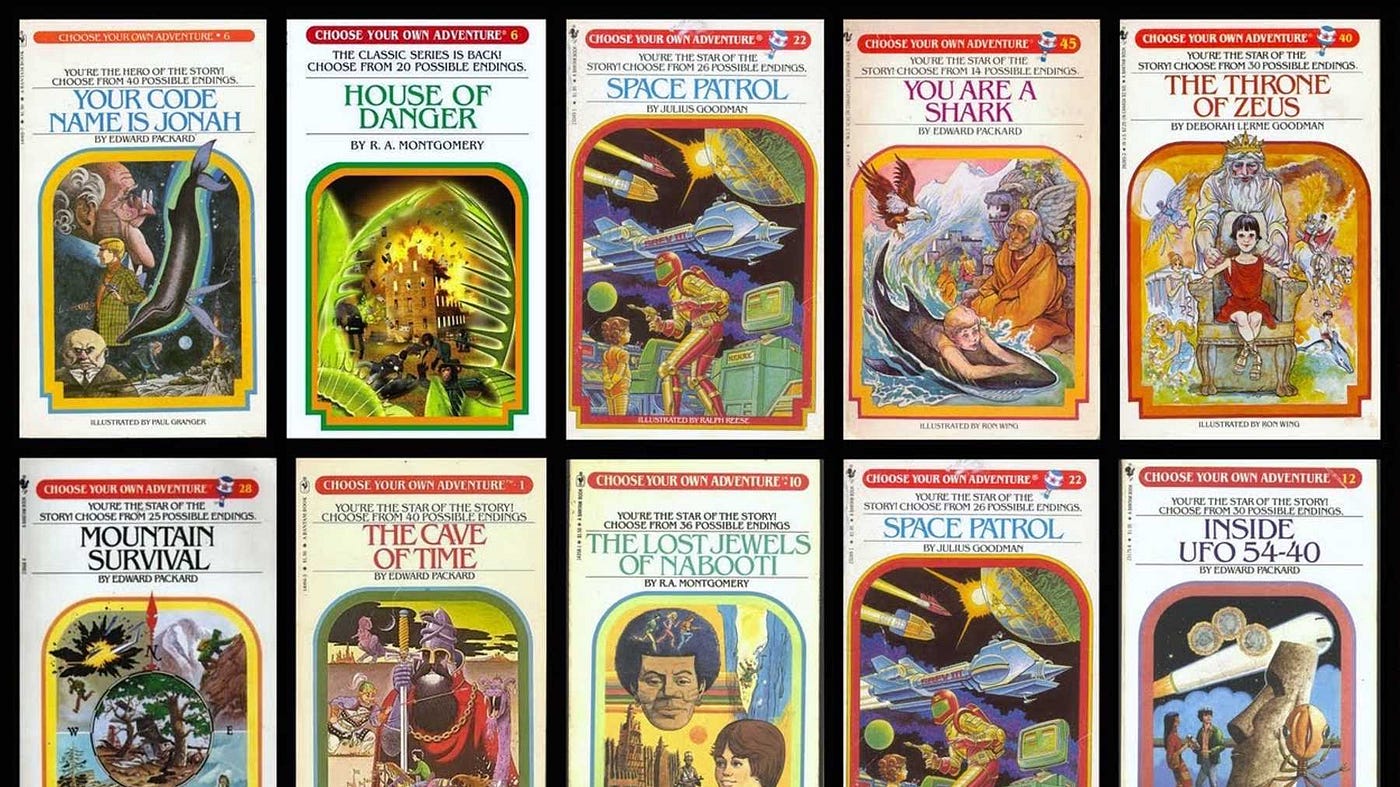
Choose Your Own Adventure books exemplify branching stories, where reader choices create multiple paths within one volume.
Tips for Writing Multiple Projects Simultaneously
If you’re juggling separate stories:
- Set Rules: Dedicate specific days or times to each project to maintain momentum.
- Switch for Freshness: When stuck, pivot to another story to keep writing enjoyable.
- Track Progress: Use tools like Scrivener or Google Docs for organization.
- Finish What You Start: Avoid endless starts; aim to complete drafts before adding more.
From personal experiments, this approach reduces pressure and sustains long-term output.
Common Pitfalls and How to Avoid Them
- Uneven Engagement: Balance investment by giving each thread compelling stakes. Solution: Develop strong hooks for every chapter.
- Lack of Connection: Ensure threads tie back to the core theme. If not, cut or rework.
- Pacing Imbalances: Monitor tension levels; use beta readers for feedback.
- Overloading the Reader: Limit to 3-4 major threads in a novel to prevent overwhelm.
Tools and Resources for Managing Multiple Stories
- Outlining Software: Scrivener for scene organization, Plottr for visual timelines.
- Mind Mapping: Tools like MindMeister to connect entities.
- Writing Communities: Reddit’s r/worldbuilding for shared-world advice.
- Books on Craft: Story Genius by Lisa Cron for subplot integration.
Conclusion
Mastering multiple stories transforms your writing into a tapestry of depth and intrigue, satisfying readers who crave complexity. By understanding types, outlining meticulously, and learning from examples, you’ll create narratives that not only engage but endure. Start small—add one subplot to your next draft—and build from there. Your stories deserve to be as multifaceted as the world they reflect.
Frequently Asked Questions (FAQs)
What is the difference between a subplot and a parallel plotline?
A subplot is secondary and supports the main story, while a parallel plotline runs alongside it with equal weight, often converging later.
How many plotlines are too many in a novel?
Typically 2-4 major ones; more risks confusion unless masterfully handled, like in epic fantasies.
Can I write multiple unrelated stories at once?
Yes, but set boundaries to avoid dilution. Switching keeps things fresh but may slow individual progress.
What are some tools for outlining multiple timelines?
Use Timeline JS or Excel for visual tracking; software like Aeon Timeline integrates with writing apps.
How do I ensure thematic cohesion in nested stories?
Identify core motifs early and echo them across layers, ensuring inner stories illuminate the outer frame.
Why do multiple stories enhance reader engagement?
They mimic real-life complexity, allowing deeper exploration of themes and characters, leading to more immersive experiences.
What if my multiple plotlines don’t converge?
They should at least resonate thematically; non-converging threads work in anthologies but can feel disjointed in novels.
Read more knowledgeable blogs on: techwirepro.com
About the Author