https://techwirepro.com/
When the U.S. Coast Guard received a distress call from waters near Mona Island in 1977, they expected routine maritime assistance. What followed became one of the most enigmatic rescue operations in Caribbean history a case that still fuels speculation about unidentified aerial phenomena, government cover-ups, and the thin line between official rescue missions and classified investigations.
This incident, shrouded in conflicting witness accounts and official silence, represents a fascinating intersection of Coast Guard protocol, UFO lore, and the strategic importance of one of Puerto Rico’s most remote territories. Whether you’re a UFO researcher, maritime history enthusiast, or simply curious about unexplained phenomena, understanding the Mona Island incident requires examining the facts, the speculation, and the enduring questions that remain unanswered nearly five decades later.
ALSO READ: Amazon Prime Shopping Online Sale: The Ultimate Guide to Maximizing Your Savings in 2026
Understanding Mona Island: Geography and Strategic Significance
Mona Island sits approximately 41 miles west of Mayagüez, Puerto Rico, in the treacherous Mona Passage, a notorious shipping channel connecting the Atlantic Ocean to the Caribbean Sea. This uninhabited limestone plateau, covering roughly 22 square miles, serves as a critical wildlife reserve and has historically been a focal point for maritime operations.
Why the Coast Guard Monitors These Waters
The U.S. Coast Guard maintains active surveillance of the Mona Passage for several compelling reasons:
- High-traffic shipping lane connecting major Caribbean ports
- Treacherous currents and weather patterns that create hazardous conditions
- Drug interdiction operations targeting smuggling routes
- Search and rescue missions for distressed vessels
- Protection of the Mona Island Natural Reserve and its endangered species
The island’s remote location, limited accessibility, and strategic position make it an ideal location for both legitimate Coast Guard operations and, according to some researchers, covert military activities.
The 1977 Incident: What We Know from Official Records
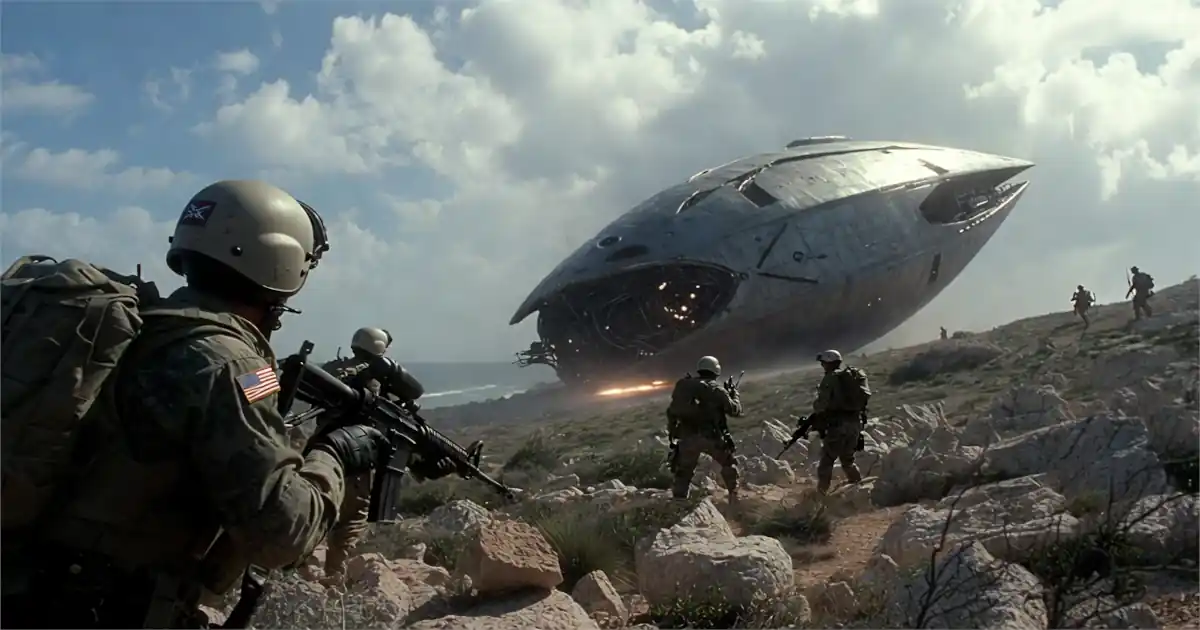
According to declassified Coast Guard logs and witness testimonies compiled by UFO researchers, the incident occurred during a routine patrol mission in late summer 1977. A Coast Guard cutter operating near Mona Island reportedly encountered unusual aerial phenomena that defied conventional explanation.
The Official Timeline
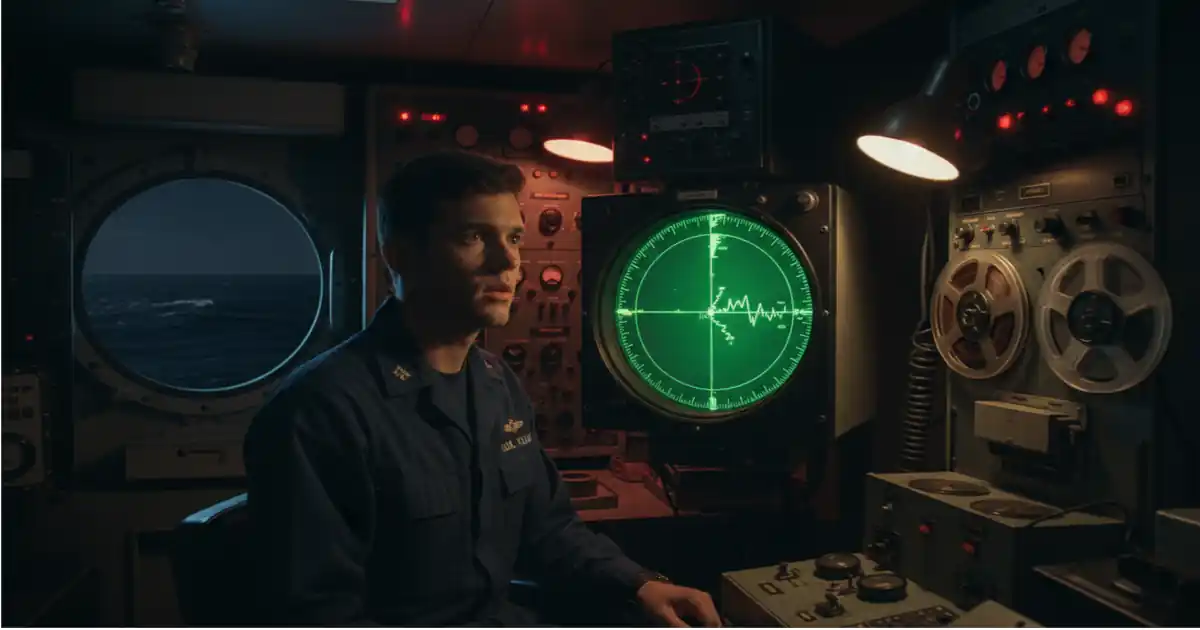
Initial Contact: Coast Guard personnel detected an unidentified object on radar exhibiting flight characteristics inconsistent with known aircraft, sudden directional changes, extreme acceleration, and hovering capability at impossible altitudes.
Visual Confirmation: Multiple crew members reported observing a luminous craft performing maneuvers that violated known aerodynamic principles. Descriptions varied but commonly included:
- Disc or oval-shaped geometry with a metallic appearance
- Brilliant luminescence that changed colors (white, blue, red)
- Silent operation despite high-speed movements
- Size estimates ranging from 30 to 100 feet in diameter
The “Rescue” Element: The most controversial aspect involves reports that Coast Guard personnel allegedly recovered physical evidence or assisted individuals following the object’s departure or possible water landing. Official records remain classified or heavily redacted.
Coast Guard Protocol for Unidentified Aerial Phenomena
Understanding how the Coast Guard handles unexplained encounters is essential to evaluating the Mona Island incident’s credibility.
Standard Operating Procedures
When Coast Guard personnel encounter unidentified objects, they follow established protocols:
- Document the observation with precise time, location, and detailed descriptions
- Record radar and electronic data for subsequent analysis
- Report through the chain of command to the District Headquarters
- Coordinate with relevant agencies, including the FAA, Navy, and potentially NORAD
- Maintain operational security regarding sensitive observations
Critical Point: The Coast Guard’s primary mission focuses on maritime safety, not UFO investigation. However, personnel are trained to report unusual phenomena that could represent airspace threats or navigation hazards.
ALSO READ: Parenting Tips Convwbfamily: Master Strategies for Building Strong, Joyful Families
The Alien Element: Separating Fact from Speculation
The term “alien” in connection with the Mona Island incident stems from several sources:
Witness Testimonies (Unverified)
Secondary accounts suggest that Coast Guard personnel may have encountered:
- Non-human entities near the craft or in the water
- Advanced technology is inconsistent with 1970s capabilities
- Biological specimens recovered during the operation
Important Disclaimer: No authenticated Coast Guard documentation confirms these claims. Most information derives from:
- Anonymous whistleblower accounts (unverified)
- UFO researcher interviews were conducted decades after the event
- Second-hand reports filtered through civilian witnesses
Why This Incident Gained Traction in UFO Communities
Several factors elevated the Mona Island case beyond typical UFO reports:
- Multiple military witnesses with professional credibility
- Radar confirmation alongside visual sightings
- Geographic isolation limits civilian contamination of evidence
- Institutional silence and classification of related documents
- Correlation with other Caribbean incidents from the same period
The Cover-Up Allegations: Government Secrecy and FOIA Challenges
Researchers attempting to investigate the Mona Island incident through official channels have encountered significant obstacles.
Freedom of Information Act (FOIA) Responses
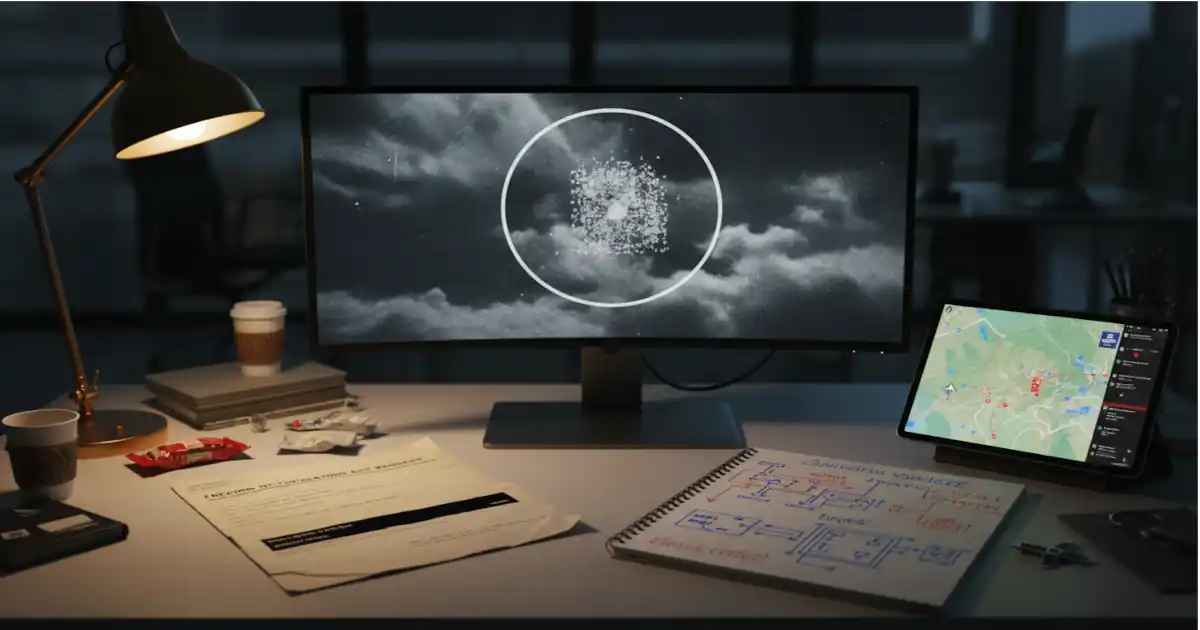
Multiple FOIA requests submitted to the Coast Guard, Navy, and Department of Defense have yielded:
- Heavy redactions citing national security exemptions
- “No records found” responses despite contemporaneous reporting requirements
- Referrals to other agencies create bureaucratic circles
- Partial releases that raise more questions than answers
What This Suggests: The classification status indicates the incident involved either:
- Legitimate national security concerns (foreign surveillance, classified technology)
- Embarrassing operational failures, the military prefers to suppress
- Genuinely unexplained phenomena, the government cannot explain
- Standard document destruction following retention schedule expiration
ALSO READ: Your Topics | Multiple Stories: The Complete Guide to Crafting Compelling Multi-Narrative Content
Similar Caribbean Incidents: Pattern or Coincidence?
The Mona Island case exists within a broader context of unexplained aerial and underwater phenomena reported throughout the Caribbean during the 1970s-1980s.
Notable Related Incidents
Puerto Rico Trench Anomalies (1963-1979): Navy submarines and surface vessels reported unexplained sonar contacts exhibiting impossible underwater speeds exceeding 150 knots, far beyond any known submarine technology.
Ramey Air Force Base Encounters (1972-1973): Personnel at the former SAC base in Puerto Rico documented multiple radar tracks of objects performing rapid altitude changes and hovering near sensitive military installations.
Dominican Republic Fisherman Reports (1975-1976): Commercial fishermen consistently reported luminous underwater objects and aerial craft near the Mona Passage, corroborating military observations.
Pattern Analysis: These incidents share common characteristics:
- Concentration around deep ocean trenches and underwater geographic features
- Proximity to military installations and strategic shipping lanes
- Similar object descriptions (luminous, disc-shaped, silent)
- Institutional reluctance to publicly acknowledge or investigate
Scientific and Skeptical Perspectives
Responsible analysis requires considering conventional explanations before embracing extraordinary claims.
Potential Natural and Technological Explanations
Ball Lightning and Electromagnetic Phenomena: The Mona Passage experiences unique atmospheric conditions that could generate rare plasma phenomena mistaken for craft.
Classified Military Testing: The 1970s marked intensive development of:
- Advanced radar systems
- Experimental aircraft and drone technologies
- Submarine detection equipment
- Electronic warfare capabilities
Misidentification of Conventional Objects: Even trained military personnel can misinterpret:
- Weather balloons with unusual illumination
- Satellite re-entries or meteor fragmentations
- Commercial aircraft under specific atmospheric conditions
- Bioluminescent marine phenomena
Psychological Factors: Isolation, stress, and expectation can influence perception, particularly during night operations in remote areas.
Why Some Scientists Remain Open to Investigation
Despite skepticism, credible researchers acknowledge that some aspects of cases like Mona Island deserve serious scientific inquiry:
- Multi-sensor confirmation (visual, radar, potentially sonar)
- Multiple independent witnesses with technical training
- Performance characteristics exceeding known technological capabilities by significant margins
- The government’s reluctance to fully declassify documentation
How to Research the Mona Island Incident Further
For investigators, researchers, or curious individuals seeking to learn more, several avenues exist:
Primary Research Strategies
Submit FOIA Requests: Target specific agencies with precise date ranges and geographic parameters. Request:
- Coast Guard District 7 operational logs (1977)
- Radar data and electronic surveillance records
- After-action reports from vessels operating near Mona Island
- Correspondence between the Coast Guard and other military branches
Interview Retired Personnel: Locate and respectfully contact veterans who served in the Caribbean during this period. Military reunion groups and veteran associations can facilitate connections.
Examine Local Historical Records: Puerto Rican newspapers, maritime logs, and regional archives may contain contemporaneous reports overlooked by mainland researchers.
Monitor Declassification Schedules: Government documents face mandatory review for declassification after specified periods (typically 25-50 years). The Mona Island incident materials may become available through automatic declassification processes.
Databases and Resources
- National UFO Reporting Center (NUFORC): Comprehensive civilian sighting database
- Black Vault: Extensive collection of declassified government documents on unexplained phenomena
- CUFOS (Center for UFO Studies): Academic approach to UFO investigation with historical case files
- Coast Guard Historian’s Office: Official repository for maritime incident documentation
ALSO READ: Why Is Uhoebeans Software Update So Slow? Causes, Fixes, and Expert Tips to Speed It Up
The Broader Implications: Why This Incident Matters
Beyond the sensational “alien rescue” narrative, the Mona Island case raises important questions about:
Transparency and Public Trust
Government reluctance to fully disclose information about unexplained phenomena erodes public confidence and fuels conspiracy theories. Whether the incident involved foreign surveillance, experimental technology, or genuinely unexplained phenomena, citizens deserve honest communication about events involving public institutions.
Aviation and Maritime Safety
If advanced objects operate in controlled airspace and international waters without identification, this represents a legitimate safety concern requiring investigation and potential regulatory response.
Scientific Progress
Dismissing all unexplained phenomena as misidentification or delusion may cause researchers to overlook genuine anomalies that could advance scientific understanding of atmospheric physics, aerospace engineering, or other fields.
National Security Considerations
If foreign powers possessed the technology described in these reports during the 1970s, this would represent a significant intelligence failure. Understanding what actually occurred has legitimate defense implications.
Current Status: What Happened to the Evidence?
Nearly five decades after the alleged incident, the physical and documentary evidence remains elusive or inaccessible:
Physical Evidence: No authenticated materials have been made public. Claims of recovered technology or biological specimens remain unverified rumors.
Photographic Documentation: Despite standard Coast Guard procedures requiring photographic documentation of unusual occurrences, no confirmed images have emerged.
Witness Accessibility: Original witnesses have aged, retired, or passed away. Finding firsthand accounts becomes increasingly difficult as time progresses.
Institutional Memory: Coast Guard reorganizations, base closures, and personnel turnover have dispersed individuals who might possess relevant knowledge.
Lessons for Future Encounters: Modern Coast Guard UAP Protocol
Recent developments in government acknowledgment of Unidentified Aerial Phenomena (UAP) have changed how military services handle these encounters.
Post-2020 Changes
Following the Pentagon’s establishment of the Unidentified Aerial Phenomena Task Force (UAPTF) and its successor organizations, military personnel now have clearer reporting channels for unexplained observations:
- Reduced stigma around reporting unusual phenomena
- Standardized reporting forms and procedures
- Dedicated analysis teams examining submitted evidence
- Congressional oversight requiring periodic public reporting
What This Means: If a Mona Island-type incident occurred today, documentation and investigation would theoretically follow more transparent protocols, though classification concerns would still limit public disclosure.
Frequently Asked Questions
Did the U.S. Coast Guard officially confirm the Mona Island alien rescue incident?
No. The Coast Guard has not officially confirmed any incident involving extraterrestrial entities near Mona Island. Most information comes from unverified witness accounts and UFO researchers rather than official documentation.
Can I visit Mona Island to investigate the location myself?
Mona Island is a protected nature reserve requiring special permits from Puerto Rico’s Department of Natural Resources. Access is restricted, no facilities exist on the island, and visitors must be self-sufficient. The island’s remoteness and environmental regulations limit casual tourism.
What makes the Mona Island case different from other UFO reports?
The incident allegedly involved multiple trained military observers, radar confirmation, and occurred in a strategic military-monitored zone. These factors give it more credibility than single-witness civilian sightings, though the lack of official documentation remains problematic.
Has any physical evidence from the incident ever been publicly examined?
No authenticated physical evidence has been made available for independent scientific examination. All claims about recovered materials remain unverified and unsupported by credible documentation.
Are there other documented Coast Guard UFO encounters?
Yes. The Coast Guard has documented various unexplained aerial phenomena throughout its history, though most receive little public attention. The service’s primary focus remains maritime safety rather than UFO investigation.
Why would the government cover up evidence of extraterrestrial contact?
Proposed reasons include preventing public panic, protecting classified technology, maintaining military advantage, or avoiding acknowledgment of phenomena they cannot explain. However, no confirmed government cover-up has been proven in this specific case.
Read more knowledgeable blogs on: techwirepro.com
About the Author