
https://techwirepro.com/
Money confuses most people. The finance world wants it that way. Big words and complex charts keep you feeling small. This investment guide dismoneyfied changes everything. We strip away the confusion. We talk like real humans talk.
You don’t need a business degree, don’t need thousands of dollars to start. You just need to understand basic truths about money.
Why Money Feels So Hard
Banks and advisors use fancy language on purpose. Complicated words make them seem smarter than you. They talk about “portfolio optimization” and “asset correlation.” These are simple ideas dressed in expensive suits.
Here’s the truth: investing means buying things that grow in value. That’s it. You give money today to get more money tomorrow.
The stock market isn’t a casino. Casinos always win against you eventually. Businesses create real value over time. When you own stocks, you own tiny pieces of real companies.
Your First Step: Stop Losing Money

Before you invest anything, fix your money leaks. High-interest credit cards drain your future wealth. A card charging 20% interest destroys you faster than any investment builds you up.
Pay off expensive debt first. This gives you guaranteed returns. Nothing in the stock market guarantees 20% yearly gains. Paying off that card does exactly that.
Next, build your safety net. Life throws surprises at everyone. Car repairs happen. Medical bills arrive. Jobs disappear without warning.
Save enough money to cover three months of basic expenses. Keep this money somewhere safe and boring. A regular savings account works perfectly fine. Don’t invest your emergency money in stocks.
Understanding What You’re Actually Buying
Stocks represent ownership in real businesses. When you buy Apple stock, you own a tiny piece of Apple. If Apple makes more money, your piece becomes more valuable.
Bonds are different. They’re like loans you give to companies or governments. They promise to pay you back with interest. Bonds usually grow more slowly than stocks but drop less when times get tough.
Funds bundle many investments together. An index fund might own 500 different companies at once. This protects you from single company disasters. One business failing won’t wreck your whole future.
The Only Strategy That Actually Works
This investment guide dismoneyfied teaches one core approach: buy and hold everything. Trying to outsmart the market fails nearly every time. Even professional investors mostly lose to simple index funds.
Here’s why. Nobody knows which stocks will win next year. Experts guess wrong constantly. Your neighbor’s hot tip usually leads to losses.
Index funds own the whole market. You win when the economy grows. The economy has grown for over 100 years. Betting against that requires believing civilization will collapse.
Start simple with three funds. One owns American stocks. 1 owns international stocks. One owns bonds. This covers the entire investment world.
Young people should own mostly stocks. You have decades for recovery from bad years. Older people need more bonds. They can’t wait 10 years for markets to bounce back.
How Much Money Do You Need

You can start with $100 today. Many brokers accept tiny starting amounts. Some let you buy partial shares of expensive stocks.
The real power comes from regular investing. Put money in every single month. This smooths out market craziness. You buy more when prices drop. You buy less when prices rise.
This approach has a fancy name: dollar-cost averaging. Don’t let that scare you. It just means investing the same amount regularly. Set it up automatically and forget about it.
Aim to invest 15% of your income. Can’t manage that yet? Start with 5%. Starting beats waiting for perfect conditions. Perfect conditions never arrive anyway.
The Enemies of Your Future Wealth
Fees eat your money silently. A fund charging 1% yearly sounds tiny. Over 30 years, that “tiny” fee steals one-third of your potential gains.
Look for expense ratios under 0.20%. Many excellent index funds charge 0.03% or less. Every dollar saved on fees becomes your dollar instead.
Taxes also take their cut. Use retirement accounts like 401ks and IRAs first. Money grows tax-free inside these accounts. You pay taxes later when withdrawing the money.
Traditional IRAs give you tax breaks today. Roth IRAs give you tax-free money in retirement. Both beat regular investment accounts for long-term saving.
Emotional decisions destroy more wealth than market crashes. People panic when stocks drop 20%. They sell everything at the bottom. Then they miss the recovery that always comes.
What To Actually Do Right Now
Open an account with a low-cost broker. Vanguard, Fidelity, and Schwab all work great. They charge nothing for most basic services.
Choose one simple fund to start. A target-date fund picks everything for you. Just select the year closest to your retirement. The fund handles all the complicated decisions.
Set up automatic transfers from your bank account. Pick an amount you won’t miss much. Even $50 monthly builds real wealth over time.
Then stop checking your balance every day. Watching numbers bounce around makes you crazy. It tempts you to make emotional trades. Check quarterly at most.
Increase your contributions when you get raises. Put half of every raise into investments. You never got used to having that money anyway.
When Things Get Scary
Markets drop sometimes. This is normal and healthy. Drops let you buy investments on sale. Your regular contributions buy more shares when prices fall.
The worst thing you can do is sell during crashes. Every major crash in history eventually recovered. People who held on made all their money back. People who sold are locked in permanent losses.
In 2008, markets fell almost 50%. Terrifying numbers scrolled across every screen. People who kept investing through the crash doubled their money by 2013.
This investment guide dismoneyfied gives you one rule: never sell in a panic. You lose only when you actually sell. Paper losses disappear when markets recover.
How To Know You’re Winning
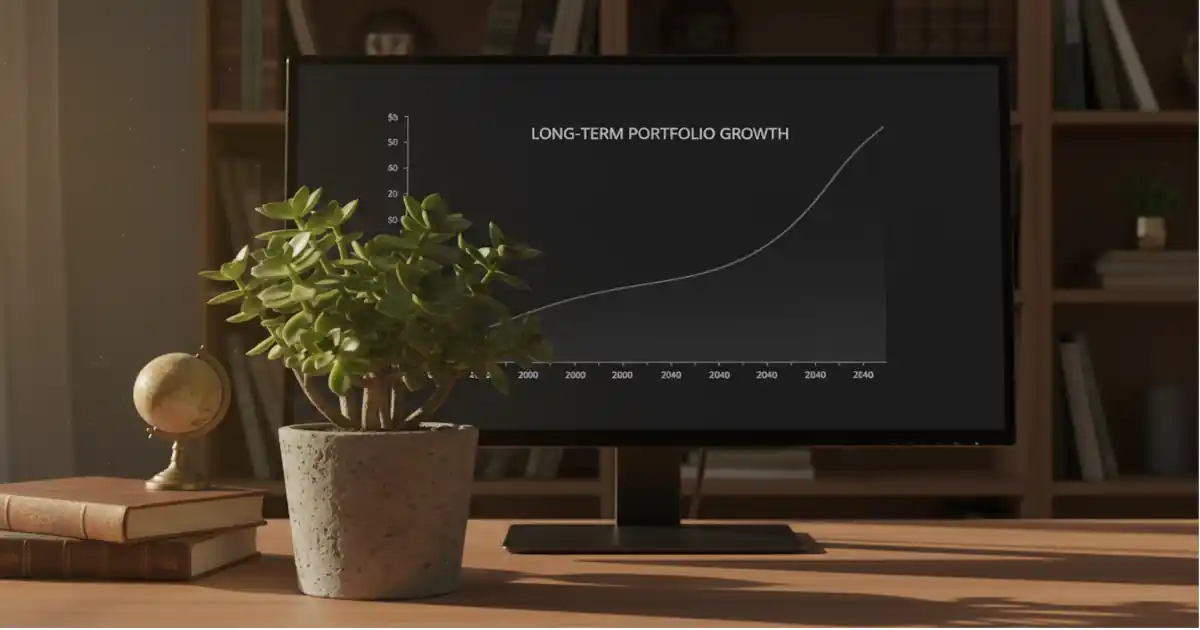
Forget about beating the market. That’s a game for professionals who mostly lose anyway. Your goal is to match the market while keeping fees low.
If your portfolio grows 7-10% yearly on average, you’re doing great. Some years you’ll lose money. Other years, you’ll gain 20%. The average matters most.
Track your total savings rate instead of investment returns. You control how much you save. You don’t control what markets do. Focus on what you can control.
Calculate your net worth yearly. Add up everything you own. Subtract everything you owe. Watch that number grow steadily over decades.
The Truth About Getting Rich
This investment guide dismoneyfied won’t make you wealthy overnight. Quick riches are lies sold by scammers. Real wealth builds slowly through consistent action.
You get rich by spending less than you earn. Stay rich by investing the difference.ref=”https://techwirepro.com/mastering-freelancing-tips/”> You build generational wealth by doing this for decades.
The math is simple but powerful. Someone investing $500 monthly at 8% returns has over $700,000 after 30 years. That’s life-changing money from modest contributions.
Double that to $1,000 monthly, and you pass $1.4 million. These numbers assume average market returns. Nothing magical or complicatedis required.
Questions Nobody Wants You To Ask
Do you need a financial advisor? Most people don’t. Simple index fund investing requires no expertise. You can learn everything important in a weekend.
Advisors charging 1% yearly cost you hundreds of thousands over time. That money comes directly from your retirement. Some advisors provide value for complex situations. Most just sell expensive funds.
What about real estate? Property can build wealth, but requires more work. You need larger starting amounts. You deal with tenants and repairs. Stocks offer easier diversification.
Should you invest in individual stocks? Probably not. Picking winning companies is incredibly hard. Even experts fail more often than they succeed. Index funds beat almost everyone long-term.
Your Action Plan Starting Today
This investment guide dismoneyfied gives you everything needed to start. No more excuses about not understanding finance. You now know more than most people. Write down three goals. First, eliminate high-interest debt within 12 months. Second, build a three-month emergency fund. Third, start investing 10% of income. Open that brokerage account this week. Don’t wait for perfect market conditions. Today is always the best time to start. Waiting costs you compound growth.
Choose a target-date fund matching your retirement year. Set up automatic monthly investments. Then focus on living your life instead of obsessing over money. Review your progress once per year. Increase contributions when possible. Rebalance if your allocation drifts significantly. Otherwise, let compound growth work its magic. The secret to investing isn’t complicated. Spend less than you earn. Invest the difference in low-cost index funds. Keep doing this for decades. Ignore the noise and panic around you.
This investment guide dismoneyfied strips away all the confusion. You don’t need fancy strategies or expensive advisors. You need patience, consistency, and the courage to start. Your future self will thank you for beginning today. The wealth you build creates freedom and security. That’s worth more than any complex financial jargon could ever be.
You May Also Like: Stop TikTok Ban Petition: Save Our Favourite App
For More Information, visit: techwirepro.com
About the Author