
https://techwirepro.com/
The 2020 Netflix documentary “The Social Dilemma Summary and Analysis ” pulled back the curtain on an uncomfortable truth: the social media platforms we use daily weren’t designed just to connect us they were engineered to exploit our psychology for profit. Featuring confessions from former Facebook, Google, and other Silicon Valley insiders, this groundbreaking film explores how algorithms manipulation and surveillance capitalism have fundamentally altered society.
Understanding the Core Message
At its heart, “The Social Dilemma” reveals how tech companies have perfected the art of psychological manipulation. Former industry leaders like Tristan Harris, once a Google design ethicist, explain how persuasive technology creates dopamine loops that keep users endlessly scrolling. These platforms don’t sell products to users they sell users’ attention to advertisers, making human behavior the actual commodity in what scholars call the attention economy.
The documentary exposes how artificial intelligence prediction systems analyze billions of data points to understand exactly what content will keep each individual engaged longest. This isn’t accidental; it’s the fundamental business model. Every like, comment, share, and pause is tracked, analyzed, and used to build increasingly accurate psychological profiles.
The Mental Health Crisis Connection
Perhaps the most alarming revelations concern the mental health impact on users, particularly young people. The film presents compelling evidence linking increased social media use to rising rates of depression and anxiety, especially among teenagers. The teen mental health crisis has coincided remarkably with smartphone adoption, with hospital admissions for self-harm among teen girls increasing dramatically since 2009.
Former tech insiders describe how features like infinite scroll and pull-to-refresh were deliberately designed to mimic slot machine mechanics. These behavior modification techniques create digital addiction patterns similar to gambling, where users receive unpredictable rewards that keep them coming back. For developing adolescent brains, this constant stimulation and social comparison creates unprecedented psychological pressure.
The documentary doesn’t just present anecdotal evidence. It references numerous studies showing correlations between heavy social media use and increased rates of loneliness, decreased sleep quality, and reduced attention spans. Young people report feeling unable to stop using platforms even when they recognize the negative effects on their wellbeing.
The Societal Impact: Division and Misinformation
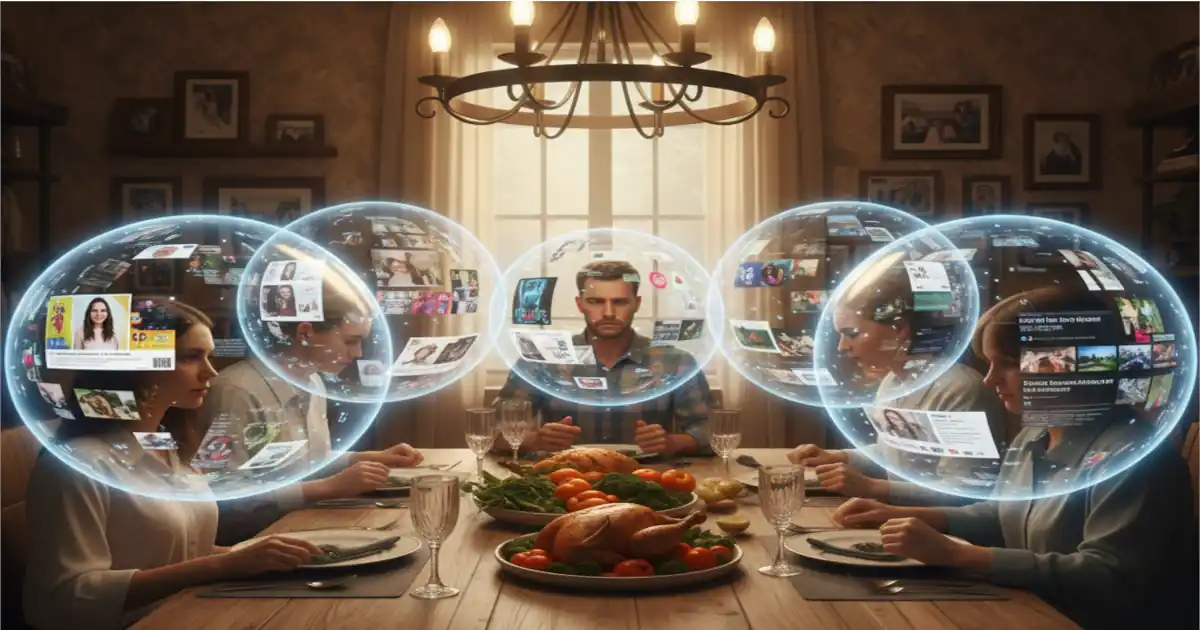
Beyond individual mental health, “The Social Dilemma” explores how these platforms are fracturing society itself. The film explains how filter bubbles and echo chambers emerge naturally from algorithms designed to maximize engagement. Since controversial and emotionally charged content generates more interaction, these systems inadvertently amplify extreme viewpoints and accelerate political polarization.
The spread of fake news and misinformation has become exponentially easier in this environment. Unlike traditional media, social platforms lack editorial oversight, allowing false information to spread faster than truth. The algorithms don’t distinguish between accuracy and engagement they simply promote whatever keeps people clicking. This has profound implications for democracy, as evidenced by election interference and conspiracy theory proliferation.
Former employees reveal that companies were aware of these societal impacts but felt trapped by their business models. Advertising revenue depends on user engagement, creating perverse incentives where divisive content becomes more valuable than truthful content. The documentary argues this isn’t about individual bad actors but about flawed systemic incentives.
Data Privacy and Surveillance Capitalism

The film illuminates how data privacy violations enable this entire ecosystem. Every digital action feeds sophisticated surveillance systems that build comprehensive profiles of users. This surveillance capitalism model treats human experience as free raw material for commercial purposes. The more data these companies collect, the better they become at predicting and influencing behavior.
Tech insiders confess that even they didn’t initially grasp the full implications of the systems they were building. What began as tools to connect people evolved into sophisticated behavior modification engines. The scale of data collection and algorithmic processing power has created capabilities that would have seemed like science fiction just decades ago.
Silicon Valley Ethics and Industry Response
“The Social Dilemma” raises critical questions about Silicon Valley ethics. Many featured whistleblowers express genuine remorse for their roles in creating these systems. They argue that while individual engineers had good intentions, the collective outcome has been harmful. The documentary calls for fundamental redesigns that prioritize user wellbeing over engagement metrics.
Some critics argue the film oversimplifies complex issues or presents technology as inherently evil. However, most experts agree the core concerns about technology manipulation are legitimate. The documentary’s strength lies in featuring credible insiders who understand these systems intimately and can explain precisely how persuasive technology exploits human vulnerability.
Moving Forward: Solutions and Hope
While painting a sobering picture, the film offers potential solutions. These include stronger data privacy regulations, transparent algorithms, reduced targeting capabilities, and business models not dependent on advertising. Some featured experts have founded organizations like the Center for Humane Technology to advocate for these changes.
Individual actions matter too. The documentary suggests limiting notifications, avoiding platforms during certain hours, unfollowing polarizing accounts, and having honest conversations about technology’s role in our lives. However, insiders emphasize that individual responsibility alone cannot solve systemic problems requiring regulatory intervention.
The negative effects of social media documented in this film have sparked important conversations about redesigning technology to serve humanity rather than exploit it. Whether through government regulation, industry self-reform, or user demand for better alternatives, change is both necessary and possible.
Frequently Asked Questions(FAQs) About The Social Dilemma Summary and Analysis
What is the main point of The Social Dilemma?
The main point is that social media platforms use sophisticated algorithms and psychological manipulation techniques to addict users and monetize their attention. These systems, while profitable, contribute to mental health problems, spread misinformation, and increase political polarization, creating serious societal consequences that require urgent attention and reform.
Is The Social Dilemma accurate according to experts?
Yes, most technology ethics experts and psychologists confirm the documentary’s core claims are accurate. While some critics note it could oversimplify certain technical aspects, the fundamental concerns about algorithmic manipulation, mental health impacts, and surveillance capitalism are well-supported by research and widely acknowledged within the tech industry itself.
Who are the main tech insiders featured in the documentary?
The documentary features former executives and employees from major tech companies, including Tristan Harris (former Google design ethicist), Tim Kendall (former Facebook director of monetization), Bailey Richardson (former Instagram employee), and Aza Raskin (inventor of infinite scroll), among others who helped build the systems they now critique.
How does social media affect teenage mental health according to the film?
The documentary presents evidence that social media contributes to increased rates of depression, anxiety, and self-harm among teenagers, particularly girls. It attributes this to constant social comparison, cyberbullying, sleep disruption, and addiction-like patterns created by features designed to maximize engagement through dopamine manipulation and unpredictable rewards.
What solutions does The Social Dilemma propose?
The film proposes both systemic solutions (stronger privacy regulations, algorithm transparency, restrictions on targeted advertising, and alternative business models) and individual actions (limiting screen time, disabling notifications, fact-checking information, and having family conversations about technology use). However, it emphasizes that individual changes alone cannot address structural problems.
Why can’t social media companies just fix these problems themselves?
The documentary explains that companies face a fundamental conflict: their advertising-based business model requires maximizing user engagement, which creates incentives to use manipulative features and amplify divisive content. Without regulatory pressure or new revenue models, companies competing for attention are economically discouraged from prioritizing user wellbeing over engagement metrics.
READ ALSO: Family Fish ThunderontheGulf: Epic Adventures for All Ages on Alabama’s Coast
About the Author